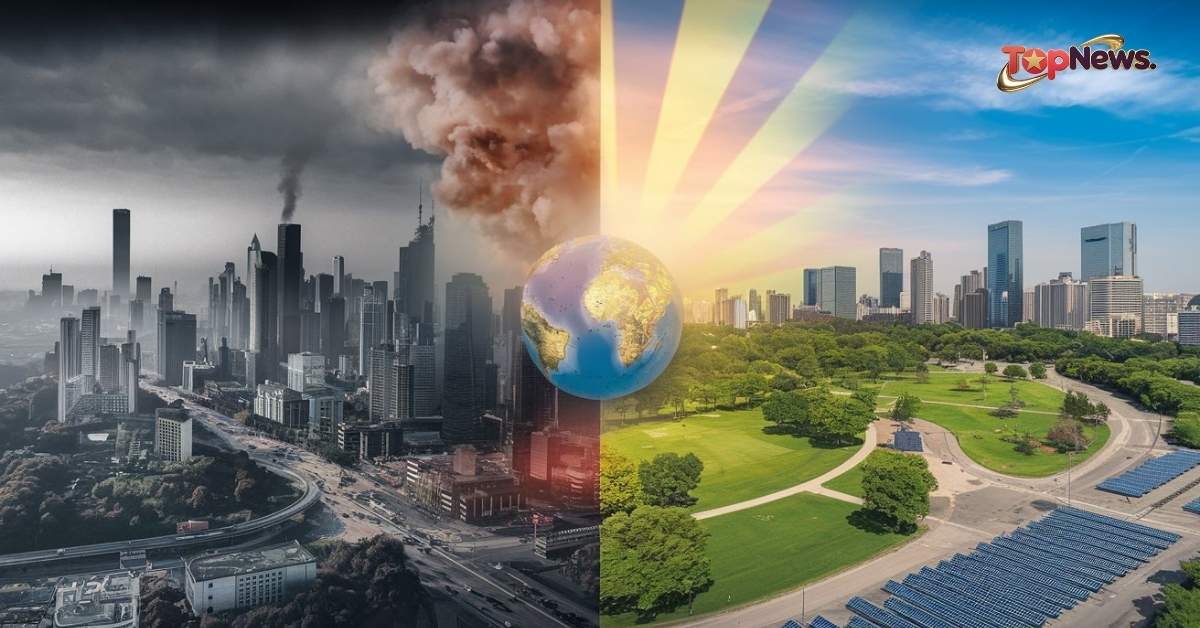
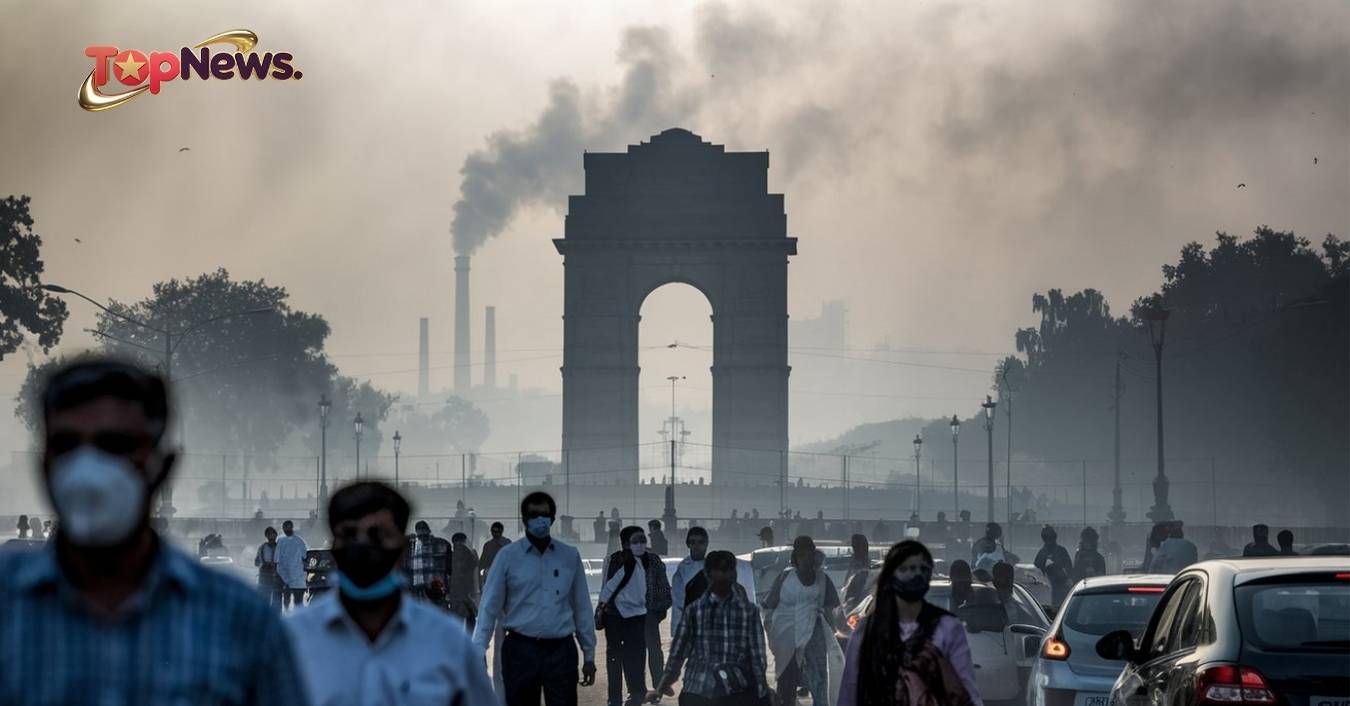
Severe Air Pollution Crisis Grips Delhi, India – The capital city of India, Delhi, is once again under a blanket of toxic smog as air pollution levels spike to dangerous levels, prompting a public health emergency. Residents woke up to a haze of thick, grey air that reduced visibility and left many struggling with respiratory discomfort.
According to the Central Pollution Control Board (CPCB), the Air Quality Index (AQI) in several areas of the city crossed 400, placing it in the “severe” category, which poses serious health risks to the general population.
Government authorities are scrambling to implement emergency measures, including a temporary ban on construction activities, limiting vehicular traffic, and encouraging remote work. Schools have also been ordered to close temporarily, as children are especially vulnerable to the harmful effects of prolonged exposure to polluted air.
Related Topic: Lahore, Pakistan A City Battling Severe Air Pollution Crisis
Key Contributing Factors:
- Stubble Burning: A major factor behind the sharp rise in pollution levels is the seasonal burning of crop residue by farmers in the neighboring states of Punjab and Haryana. Despite government efforts to curb this practice, it remains widespread.
- Vehicular Emissions: With over 11 million vehicles on its roads, Delhi’s traffic congestion continues to be a leading contributor to air pollution.
- Industrial Activity: Factories and industries in and around the National Capital Region (NCR) often operate without adequate pollution controls, releasing pollutants such as sulfur dioxide and nitrogen oxides.
Public Reaction and Health Concerns: Residents are expressing frustration as the annual crisis seems to have become a seasonal norm. Many have resorted to wearing masks outdoors and using air purifiers indoors, yet they report that it feels insufficient against the persistent air quality issues. Hospitals are also seeing an increase in patients with respiratory illnesses, including asthma, bronchitis, and other lung-related diseases.
Government Response: Delhi’s government has reactivated its “Graded Response Action Plan” (GRAP), which involves tiered levels of intervention based on the severity of pollution. However, long-term solutions, including stricter enforcement of regulations and wider adoption of green technologies, have yet to be fully realized.
Public Awareness and Activism: Environmentalists and NGOs have been vocal in criticizing the lack of significant progress in addressing the root causes of air pollution. They argue that while short-term fixes like closing schools and factories can reduce exposure temporarily, the need for structural changes in farming, transportation, and industry is critical.
Related Topic: The Science Behind Abruptly Weather Changes: What’s Happening in Our Atmosphere?
Opinion: India Must Address Air Pollution with Long-Term Solutions, Not Temporary Fixes
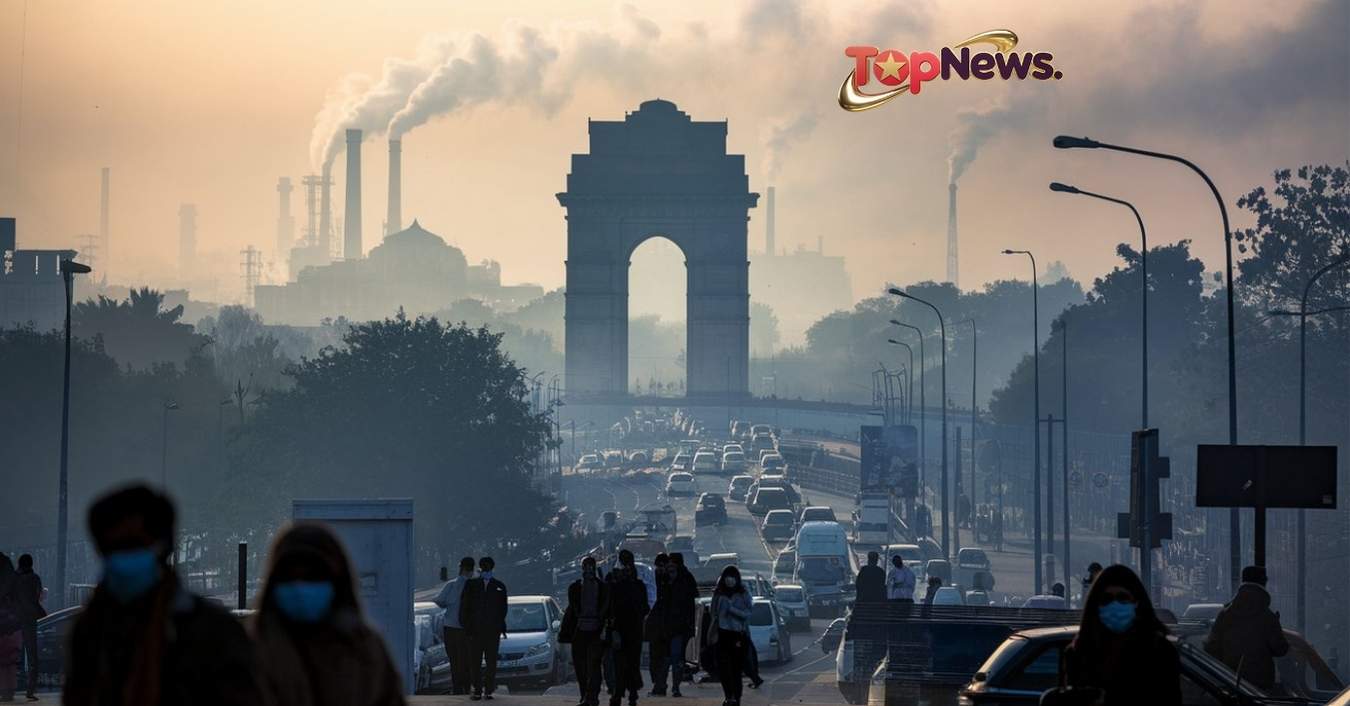
As another wave of dangerous air pollution engulfs Delhi, it’s time to acknowledge that the current approach isn’t working. Each year, we see the same headlines, the same measures, and the same alarming rise in health concerns. Yet, despite all the attention, little has changed in terms of sustainable action.
The core issues—stubble burning, vehicular emissions, and industrial pollution—remain largely unaddressed. While state governments and the central government have implemented short-term relief plans, they are merely Band-Aids on a much deeper problem.
A comprehensive approach is needed that spans policy, public behavior, and technological innovation. This would involve stricter penalties for polluting industries, incentives for farmers to adopt cleaner farming practices, and a significant push toward electric vehicles and public transportation. Until these systemic issues are tackled, we will continue to witness the same destructive cycle, costing lives and harming the environment.
The time for half-measures is over. India must act boldly if it wants to protect its citizens and the future generations from a grim, smog-filled legacy.
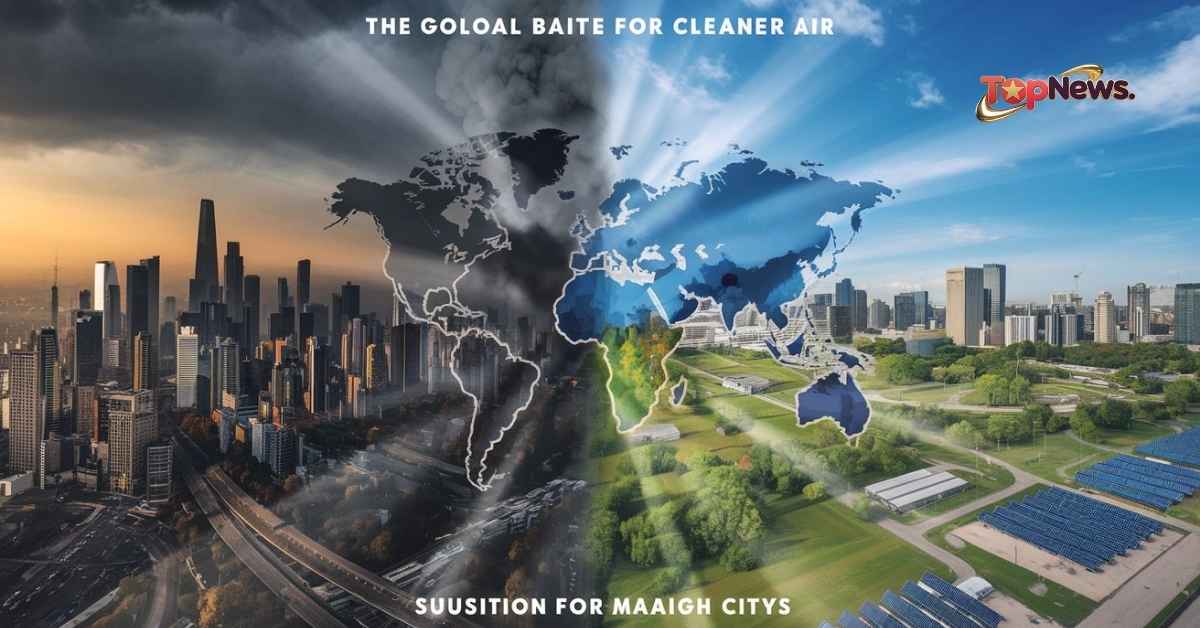
Related Topic: Air Pollution Crisis: The Global Battle for Cleaner Air in Major Cities
Feature: How Delhiites Are Coping with Toxic Air: Stories from the Ground
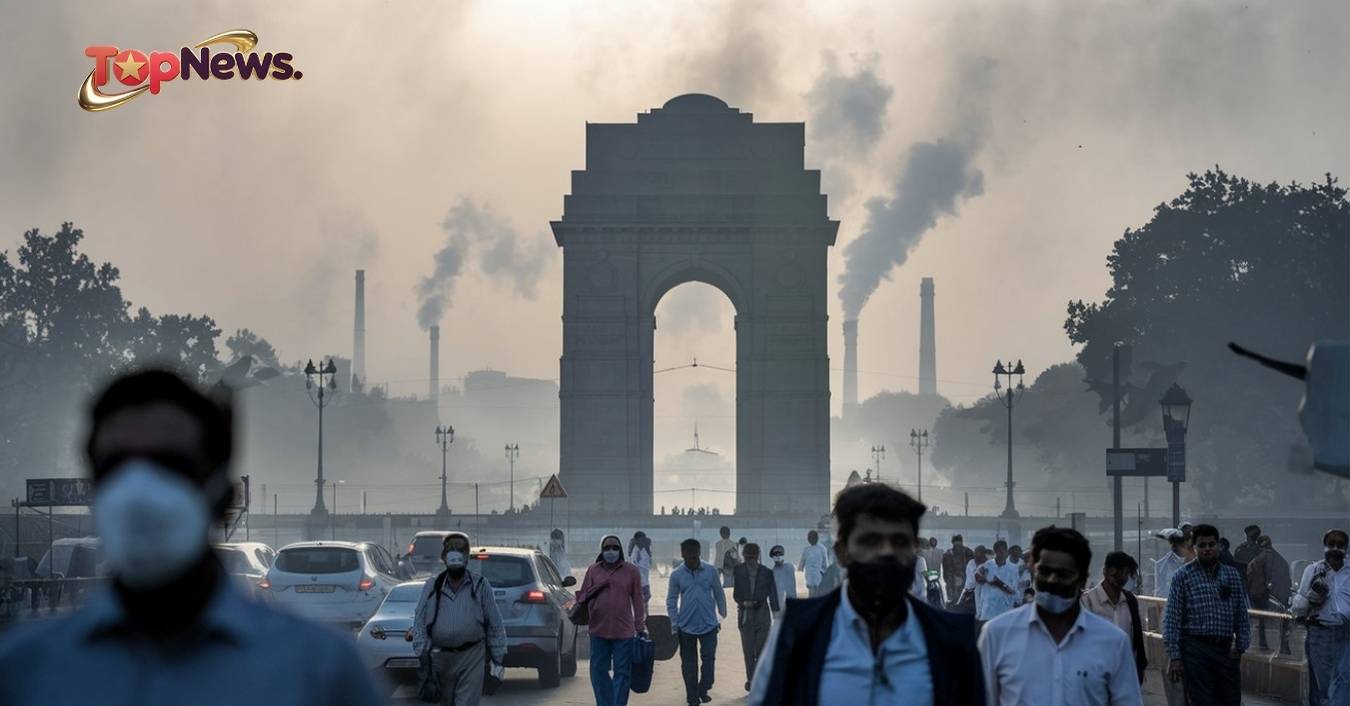
Despite the grim headlines, residents of Delhi continue to find ways to cope with the annual air pollution crisis. For some, it’s a matter of adapting their daily routines, while others have taken innovative steps to mitigate the effects of the toxic air.
Ankit Kapoor, a software engineer, has switched to working from home to avoid exposure during his commute. “It’s difficult to breathe outside for even a few minutes. I’ve installed an air purifier at home, but every time I open the windows, I can feel the pollution seep in,” he says.
Sunita Mehra, a mother of two young children, faces a bigger challenge. “I’m constantly worried about their health. My youngest has developed a cough that won’t go away, and the doctors say it’s related to the air quality. I’ve had to keep them indoors for most of the day,” she explains.
Meanwhile, some residents are finding creative solutions. Ravi Sharma, a local entrepreneur, has started selling affordable indoor air purifiers designed from low-cost materials like charcoal and salt. “People are desperate for solutions, and not everyone can afford the high-end purifiers. I wanted to create something accessible,” he explains.
The stories of these Delhiites reveal both the resilience and frustration of those living in the city, where breathing clean air is no longer a given.
Related Topic: Storm Ernesto’s Recent Rampage: Puerto Rico A Clash with Nature’s Fury
Analysis: The Path Forward
Delhi’s air pollution crisis is a symptom of deeper environmental and infrastructural problems. While initiatives like GRAP are useful in managing acute situations, they do not address the underlying issues. India’s policymakers must develop long-term strategies that focus on:
- Green Energy Transition: Reducing reliance on coal and fossil fuels by increasing investments in solar, wind, and hydroelectric power.
- Sustainable Farming: Expanding financial support for farmers to adopt non-polluting farming techniques, especially to reduce stubble burning.
- Electric Mobility: Encouraging the shift to electric vehicles and enhancing public transportation infrastructure.
Delhi’s pollution crisis is not just a seasonal inconvenience—it’s a public health emergency that demands immediate and lasting action. Until then, residents will continue to bear the brunt of this environmental disaster year after year.
Related Topic: The Growing Air Pollution Crisis in Major Cities: A Global Struggle for Cleaner Air
FAQ: Severe Air Pollution Crisis Grips Delhi, India
What is causing the severe air pollution in Delhi?
The primary causes include stubble burning in nearby states, vehicular emissions from over 11 million vehicles, and industrial pollution in the National Capital Region (NCR).
How bad is the air quality in Delhi right now?
According to the Central Pollution Control Board (CPCB), Delhi’s Air Quality Index (AQI) has crossed 400 in several areas, placing it in the “severe” category, which poses significant health risks.
What are the health impacts of such high pollution levels?
Exposure to severe air pollution can cause respiratory problems such as asthma, bronchitis, and even lung damage. Long-term exposure may increase the risk of cardiovascular diseases and reduce life expectancy.
What measures is the government taking to combat the pollution?
The government has implemented the Graded Response Action Plan (GRAP), which includes measures such as restricting construction, limiting vehicle use, closing schools, and promoting remote work during the worst pollution days.
Why does stubble burning contribute so heavily to Delhi’s pollution?
Stubble burning in the neighboring states of Punjab and Haryana releases massive amounts of smoke and particulate matter into the air, which drifts into Delhi due to wind patterns, drastically worsening the city’s air quality.
What can residents do to protect themselves during this pollution crisis?
Residents are advised to stay indoors as much as possible, use air purifiers, wear N95 masks when outside, and monitor local air quality reports to avoid peak pollution hours.
Are there long-term solutions to Delhi’s air pollution problem?
Long-term solutions include promoting cleaner farming practices to reduce stubble burning, shifting towards electric vehicles, improving public transportation, and enforcing stricter pollution controls on industries.
How does air pollution in Delhi compare to other global cities?
Delhi often ranks as one of the most polluted cities in the world, especially during the winter months. It regularly surpasses cities like Beijing, Los Angeles, and Mexico City in terms of hazardous air quality.
Is there any international assistance being provided to address Delhi’s pollution?
While international agencies have raised awareness and offered technological solutions, the primary responsibility for addressing Delhi’s air pollution lies with national and local governments.
What are the future implications if this issue is not resolved?
If not addressed, Delhi’s air pollution crisis could lead to a public health disaster, with rising rates of respiratory and cardiovascular diseases, reduced life expectancy, and negative economic impacts due to frequent public health emergencies.
Related Topic: Tropical Storm Francine forms in the Gulf, heading toward U.S. landfall as a hurricane
The Science Behind Abruptly Weather Changes: What’s Happening in Our Atmosphere?