Delhi, the capital of India, stands as a bustling metropolis symbolizing rapid urbanization and economic growth. However, this relentless progress comes at a grave cost—air pollution. Once known for its vibrant culture and historical monuments, Delhi has become infamous for its toxic air, regularly ranking among the most polluted cities in the world. The city’s residents, from children to the elderly, are grappling with the alarming health effects caused by dangerously high levels of smog and particulate matter.
As industries, vehicles, and construction projects flourish, so too does the haze that chokes the city’s inhabitants, casting a dark cloud over the future of public health and environmental sustainability. This article delves into the sources, consequences, and possible solutions to the Effects of Air Pollution in Delhi, exploring how the city’s growth has paradoxically led to a battle for breath.
The Anatomy of Delhi’s Air Crisis
Air pollution in Delhi is not a new problem, but in recent years, the scale and severity have become unprecedented. A deadly cocktail of vehicular emissions, industrial discharge, crop-burning smoke from nearby states, and construction dust are the primary contributors to the city’s toxic air. During peak pollution seasons, particularly in the winter, the concentration of PM2.5 (fine particulate matter) often exceeds safe limits by more than 20 times, rendering the air hazardous to breathe.
Particulate matter (PM2.5 and PM10) is microscopic but highly dangerous, capable of penetrating deep into the lungs and bloodstream, causing inflammation, and leading to serious respiratory and cardiovascular diseases. Coupled with elevated levels of nitrogen oxides and sulfur dioxide, the impact on human health is immediate and profound.
Related Topic: Breaking News: Severe Air Pollution Crisis Grips Delhi, India
Health Impact: A Public Health Emergency
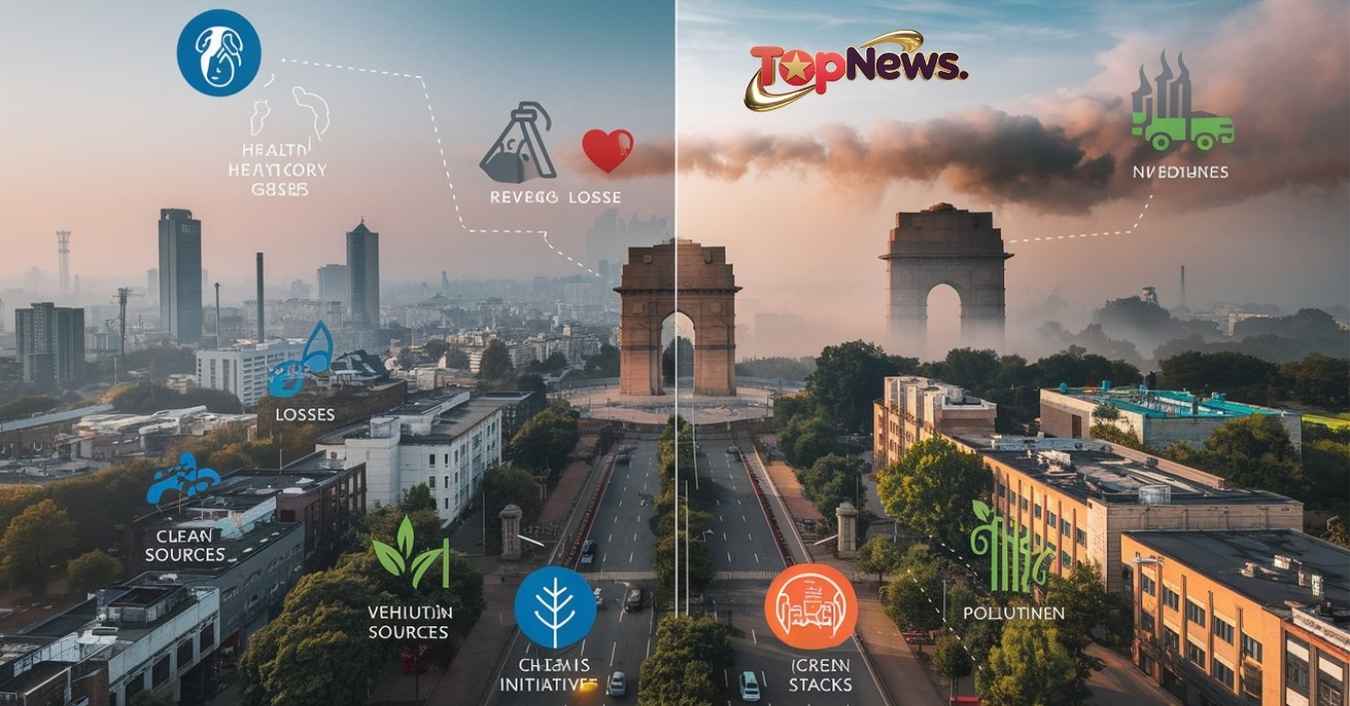
The most alarming effect of Delhi’s pollution crisis is its toll on public health. According to a 2020 study by the Centre for Science and Environment (CSE), air pollution contributes to around 30,000 premature deaths annually in Delhi.
The city has seen an exponential increase in cases of asthma, chronic obstructive pulmonary disease (COPD), lung cancer, and other respiratory conditions. Children, in particular, are suffering. Their developing respiratory systems are more vulnerable to the harmful effects of pollutants, leading to stunted lung growth and higher susceptibility to lifelong health problems.
One harrowing report from the All India Institute of Medical Sciences (AIIMS) showed that children as young as 5 years old in Delhi already exhibit early signs of lung damage. Meanwhile, elderly citizens face heightened risks of heart attacks, strokes, and acute respiratory distress due to prolonged exposure to toxic air.
Dr. Arvind Kumar, a leading thoracic surgeon, has stated, “Delhi is living in a gas chamber. The health cost is unbearable; we are seeing non-smokers develop lungs equivalent to those of chronic smokers.”
In addition to the physical toll, the psychological and emotional impact of living under constant pollution cannot be overstated. A study published in The Lancet noted that prolonged exposure to pollution has been linked to higher rates of anxiety, depression, and even cognitive decline.
Related Topic: The Science Behind Abruptly Weather Changes: What’s Happening in Our Atmosphere?
Economic Losses: A Hidden Crisis
While health impacts are well-documented, the economic losses incurred from air pollution often fly under the radar. According to a 2019 report by Greenpeace, Delhi’s economy loses nearly $5.75 billion annually due to pollution-related costs—an amount equal to around 1.6% of India’s total GDP.
Air pollution not only reduces productivity but also creates a direct financial burden through increased healthcare costs and loss of labor. Workers who are chronically ill or who have to take care of sick family members miss out on jobs, and children frequently missing school suffer academically. Studies have shown that poor air quality can reduce cognitive function, impacting learning and workplace efficiency.
Business sectors such as tourism are also taking a hit. Delhi, once a vibrant destination for international travelers, is seeing a decline in visitors during the winter months, when the city’s infamous smog engulfs its historical monuments like the Red Fort and India Gate.
For the urban poor, the economic impacts are even more devastating. Forced to work in hazardous outdoor environments as laborers or street vendors, they suffer higher exposure with little access to healthcare, exacerbating the cycle of poverty.
Related Topic: Storm Ernesto’s Recent Rampage: Puerto Rico A Clash with Nature’s Fury
Vulnerable Populations: Children and the Elderly
Children, as mentioned earlier, bear a disproportionate share of the health burden. The damaging effects of air pollution are especially severe on their growing lungs and immune systems, leading to conditions that may last a lifetime. According to a report by UNICEF, Delhi’s children risk long-term cognitive impairment and lower IQ scores due to pollution exposure.
In wealthier neighborhoods, schools are installing air purifiers and holding indoor sports activities, but most of Delhi’s children do not have access to such protection. In economically disadvantaged areas, schools and households simply cannot afford these measures, leaving children to inhale toxic air, often for hours on end during the school day.
The elderly, already dealing with weakened immune systems and pre-existing conditions, also face severe risks. Many retirees report becoming virtual prisoners in their homes, unable to leave without risking a dangerous spike in their blood pressure or triggering a respiratory episode. Indoor pollution caused by the burning of biomass fuels only adds to their plight, further deteriorating their health in their final years.
Environmental Degradation: A City Suffocating in Smog
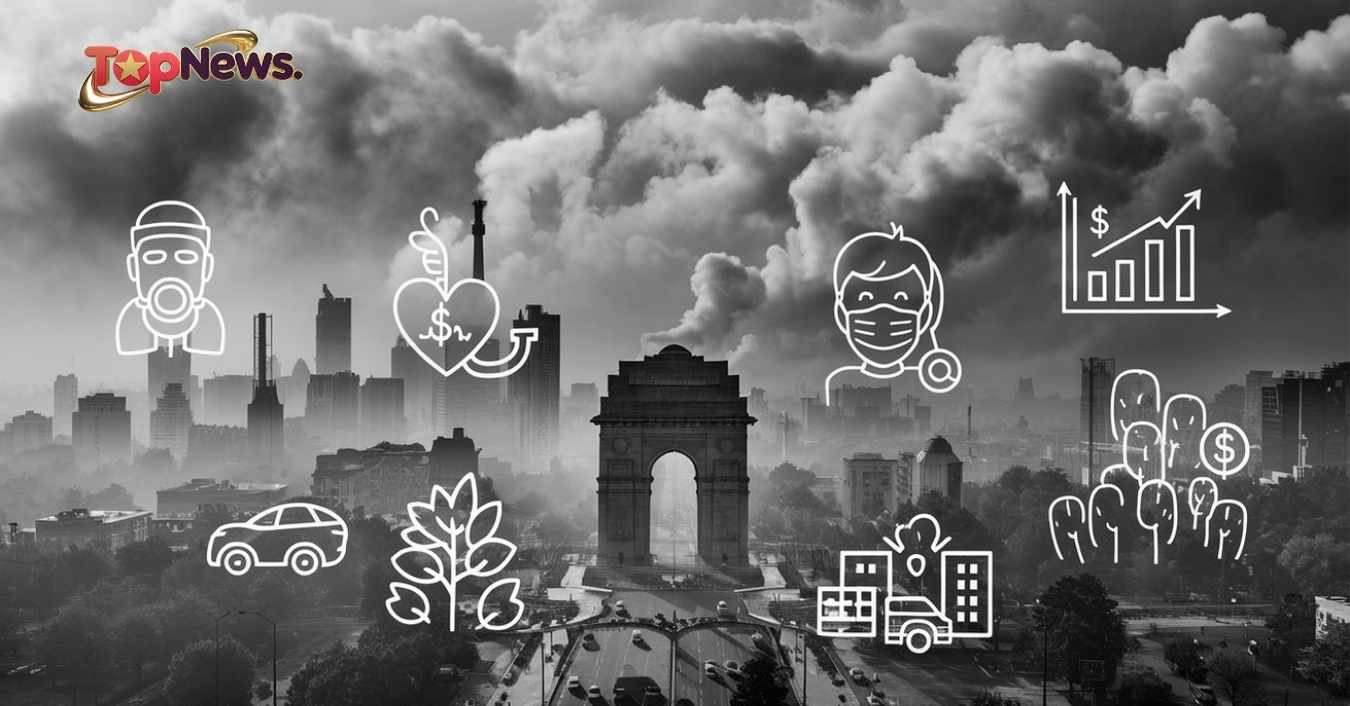
The environmental impacts of Delhi’s air pollution are both visible and systemic. One needs only to look at the city’s skyline on a typical November morning to see the dense, opaque smog that envelops everything from high-rises to tree canopies. Yet, what’s even more troubling is the long-term degradation of Delhi’s ecosystem.
Delhi’s green cover, already under pressure from urban sprawl, is being severely affected. Tree canopies, coated in dust, have diminished their capacity to perform photosynthesis effectively. Urban wildlife—birds, stray animals, and aquatic species in the Yamuna River—are facing declining health due to pollution. Studies show that the Yamuna is one of the most polluted rivers in the world, exacerbated by untreated industrial waste and air pollution fallout.
Related Topic: Lahore, Pakistan A City Battling Severe Air Pollution Crisis
Policy Response: Efforts and Roadblocks
The Delhi government has enacted several policies over the years in an attempt to mitigate pollution, but challenges remain. The odd-even traffic rule, where vehicles with odd and even number plates alternate driving days, has had some success in reducing traffic congestion and emissions. However, it has not been a long-term solution, partly because of the surge in two-wheelers and non-compliance from many drivers.
Additionally, initiatives such as the Graded Response Action Plan (GRAP) aim to impose stricter pollution controls when air quality deteriorates to “severe” levels. However, critics argue that the response is largely reactive, with little focus on preemptive action. Crop stubble burning in neighboring states like Punjab and Haryana is a persistent issue, contributing heavily to the pollution spikes during winter, and political disagreements between state governments have hindered any lasting solutions.
The central government’s push towards electric vehicles (EVs) and solar energy is promising, but the adoption rate remains slow due to infrastructural and financial barriers. Until industries, transportation systems, and households fully embrace cleaner energy sources, the fight against pollution will remain an uphill battle.
Related Topic: The Growing Air Pollution Crisis in Major Cities: A Global Struggle for Cleaner Air
Civil Action: The Role of Citizens
In recent years, there has been growing awareness and civil action regarding air pollution. Citizens have started forming local advocacy groups and participating in public protests demanding stricter pollution controls. Apps that provide real-time air quality data, like AirVisual and SAFAR, have become popular tools for residents to monitor and protect themselves from hazardous conditions.
However, individual actions like avoiding outdoor exercise or using personal air purifiers offer only limited protection. The larger battle requires collective, systemic change driven by stronger policies and enforcement. Citizens must also be part of the solution by reducing their own pollution footprint through carpooling, using public transport, and adopting energy-efficient practices.
Related Topic: Tropical Storm Francine forms in the Gulf, heading toward U.S. landfall as a hurricane
Conclusion: Effects of Air Pollution in Delhi, India
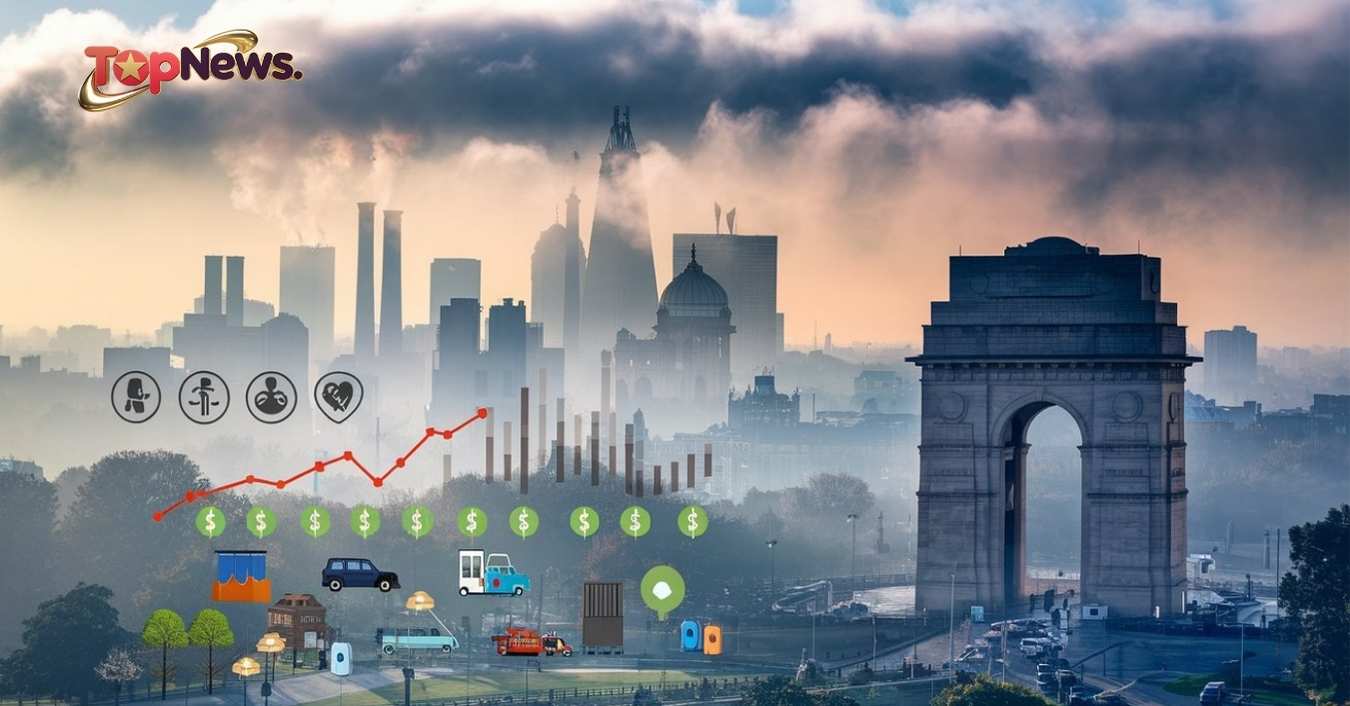
Addressing the effects of air pollution in Delhi is crucial for improving public health, protecting the environment, and reducing economic losses. Understanding the impact of this pollution is the first step toward implementing effective solutions.
By combining governmental policies, technological advancements, and individual actions, the city can work towards alleviating the harmful effects of air pollution. A unified effort is essential to ensure a cleaner and healthier future for Delhi.
Related Topic: Air Pollution Crisis: The Global Battle for Cleaner Air in Major Cities
FAQ: Effects of Air Pollution in Delhi, India
Delhi’s air pollution is a critical issue impacting the city’s health, environment, and economy. This FAQ addresses key questions about the effects of air pollution in Delhi, including its causes, health risks, and potential solutions, offering a comprehensive overview of the challenges and actions required to tackle the city’s air quality crisis.
What are the primary causes of air pollution in Delhi?
The main causes of air pollution in Delhi include:
- Vehicular emissions from the large number of cars, trucks, and two-wheelers.
- Industrial emissions, especially from coal-based power plants and manufacturing units.
- Construction dust and debris from rapid urbanization.
- Crop stubble burning in neighboring states like Punjab and Haryana, particularly during the winter months.
- Household emissions, including the burning of biomass for cooking in lower-income areas.
How does air pollution affect human health in Delhi?
Air pollution in Delhi poses serious health risks, particularly due to fine particulate matter (PM2.5 and PM10). These particles penetrate deep into the lungs and bloodstream, leading to respiratory diseases such as asthma, bronchitis, chronic obstructive pulmonary disease (COPD), and lung cancer. Additionally, air pollution contributes to cardiovascular issues, such as heart attacks and strokes, and has been linked to reduced life expectancy. Children and the elderly are particularly vulnerable.
What are PM2.5 and PM10, and why are they dangerous?
PM2.5 and PM10 refer to particulate matter with diameters of 2.5 micrometers and 10 micrometers, respectively. PM2.5 is more dangerous because it is smaller and can penetrate deeper into the lungs and enter the bloodstream. Long-term exposure to PM2.5 has been associated with increased risks of heart disease, lung cancer, and respiratory infections.
What are the economic consequences of air pollution in Delhi?
The economic impact of air pollution in Delhi includes:
- Healthcare costs from treating pollution-related illnesses.
- Loss of productivity due to missed workdays and lower cognitive function.
- Disruptions to schooling and reduced educational outcomes.
- Decreased tourism, especially during high pollution periods.
- Decline in worker efficiency due to poor air quality, affecting industries and businesses.
How does air pollution affect children and the elderly?
Children are particularly vulnerable because their lungs are still developing. Exposure to polluted air can stunt lung growth, leading to long-term respiratory problems. Studies have shown that children in Delhi exhibit early signs of lung damage. For the elderly, who often have pre-existing conditions such as heart disease or diabetes, pollution exacerbates these issues, leading to higher mortality rates and diminished quality of life.
What is the role of crop stubble burning in Delhi’s pollution problem?
Crop stubble burning, especially in the neighboring states of Punjab and Haryana, is a major contributor to Delhi’s air pollution during the winter months. Farmers burn the leftover stubble after harvesting rice, and the smoke from these fires travels to Delhi, significantly worsening air quality. This seasonal practice coincides with low temperatures, which trap pollutants closer to the ground, creating severe smog conditions.
What is the government doing to reduce air pollution in Delhi?
The government has implemented several measures, including:
- The odd-even vehicle rule, which limits the number of cars on the road based on license plate numbers.
- The Graded Response Action Plan (GRAP), which imposes emergency pollution control measures when air quality becomes hazardous.
- Promotion of electric vehicles (EVs) and subsidies for EV purchases.
- Implementation of stricter emissions standards for industries.
- Efforts to monitor and reduce crop stubble burning, although enforcement has been inconsistent.
What can individuals do to protect themselves from air pollution in Delhi?
Individuals can take steps to reduce their exposure to air pollution by:
- Using N95 masks during high-pollution periods.
- Installing air purifiers at home and in workplaces.
- Avoiding outdoor activities, particularly exercise, during peak pollution times.
- Using public transportation, carpooling, or cycling to reduce their own emissions footprint.
- Staying informed about daily air quality levels through apps like AirVisual or SAFAR.
When is air pollution in Delhi at its worst?
Air pollution in Delhi is typically at its worst during the winter months (November to January). During this time, temperature inversions trap pollutants close to the ground, and the burning of crop residue in nearby states adds to the smog. The combination of these factors creates hazardous air quality, often with dangerous levels of PM2.5 and PM10.
What are the long-term solutions to reducing air pollution in Delhi?
Long-term solutions involve systemic changes, including:
- Transitioning to cleaner energy sources, such as solar and wind power, and reducing reliance on coal.
- Improving public transportation infrastructure to reduce the number of vehicles on the road.
- Incentivizing the use of electric vehicles and creating charging infrastructure.
- Enforcing stricter emissions regulations for industries and construction.
- Working with neighboring states to find sustainable alternatives to crop stubble burning.
- Encouraging urban green cover through tree-planting initiatives to absorb pollutants.
Can air pollution in Delhi be reversed?
While air pollution in Delhi is a serious issue, it can be managed and reduced through coordinated efforts by the government, industries, and individuals. Improved policies, stricter enforcement of regulations, adoption of cleaner technologies, and increased public awareness can gradually improve air quality over time. However, this requires long-term commitment and action from all stakeholders.
Breaking News: Severe Air Pollution Crisis Grips Delhi, India