Air pollution has become a pervasive global issue, plaguing nearly every major city around the world. The World Health Organization (WHO) reports that 99% of the world’s population breathes air that exceeds safe pollution levels.
With rapid urbanization, industrialization, and population growth, cities are at the forefront of this crisis. From Delhi to Los Angeles, governments and citizens alike are facing unprecedented environmental and health challenges. What are the root causes, and how are cities battling this invisible killer?
“In New Delhi, the air is so thick with smog that it often blocks out the sun. Meanwhile, in cities like London and Mexico City, residents are breathing in dangerous levels of nitrogen dioxide, primarily caused by vehicle emissions. The air pollution crisis is no longer limited to developing nations; it is a global issue that demands immediate and coordinated action.”
The Global Scope of Air Pollution
The crisis is universal, affecting both developed and developing nations. Air pollution is not merely an environmental concern—it is also a major public health emergency, an economic burden, and a threat to social equity.
Around the world, air pollution contributes to millions of premature deaths annually, causes untold damage to ecosystems, and impedes sustainable development.
Key Statistics:
- Health Impact:
According to the WHO, air pollution kills an estimated 7 million people each year. Particulate matter (PM2.5) and other pollutants are linked to cardiovascular diseases, respiratory illnesses, and cancers. - Economic Impact:
Air pollution costs the global economy trillions of dollars annually. Health costs, productivity losses, and infrastructure damage all add to the burden on governments. In 2015, a World Bank report estimated that air pollution cost the global economy $225 billion in lost labor income. - Environmental Impact:
Pollution also affects biodiversity and ecosystems. Toxic particles can harm wildlife, damage crops, and contribute to acid rain, further degrading air, water, and soil quality.
In-Depth Case Studies: The Cities Choking on Smog
Air pollution manifests differently depending on geography, industrial activity, and government regulations.
Here are some of the most polluted cities globally and their specific challenges:
New Delhi, India:
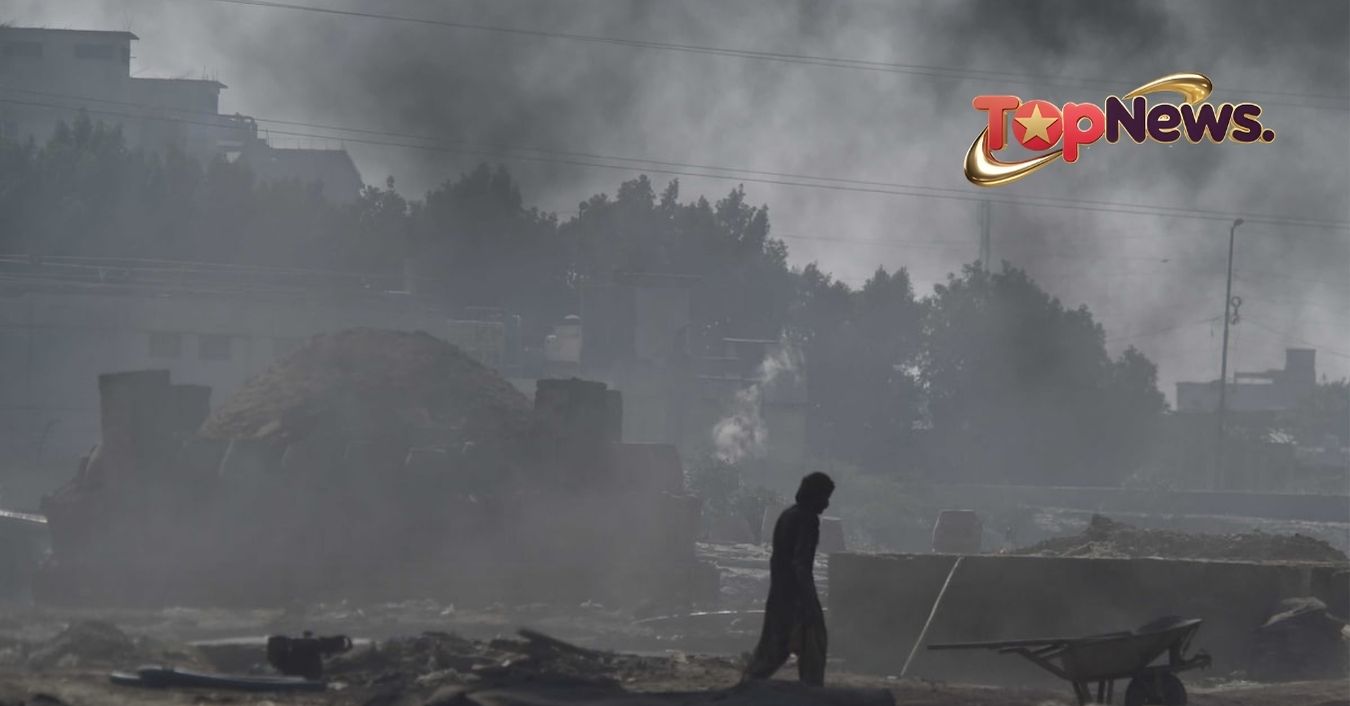
New Delhi often ranks as one of the most polluted cities in the world. During the winter months, thick layers of smog blanket the city, reducing visibility and posing extreme health risks.
The primary sources of pollution in Delhi include:
- Vehicular Emissions:
A rapid increase in vehicle ownership, combined with inefficient public transport systems, has led to soaring levels of nitrogen dioxide and particulate matter. - Crop Burning:
Farmers in surrounding states frequently burn crop residue, contributing to seasonal spikes in pollution levels, especially during the colder months when atmospheric conditions trap pollutants close to the ground. - Industrial Emissions and Construction Dust:
Factories, coal-fired power plants, and ongoing construction projects in and around the city add to the hazardous air quality.
Despite various governmental initiatives, such as restricting vehicle use and introducing cleaner fuels, Delhi continues to struggle with a serious air quality crisis.
Reports indicate that children born in Delhi may have significantly impaired lung function due to lifelong exposure to polluted air.
Beijing, China:
Beijing’s air quality has seen significant improvement in recent years, but it remains a cautionary tale of rapid industrialization without sufficient environmental safeguards. Beijing’s smog has historically been attributed to:
- Coal Power Plants and Factories:
China’s reliance on coal as a primary energy source has contributed heavily to PM2.5 emissions. During winter, heating systems powered by coal plants exacerbate the problem. - Vehicle Emissions:
Although the government has introduced policies to reduce vehicle emissions, including restrictions on car use and promoting electric vehicles, Beijing’s expanding population continues to rely heavily on private transportation. - Dust Storms from Surrounding Regions:
Seasonal dust storms from Mongolia and northern China occasionally blow into Beijing, further degrading air quality.
Beijing has taken aggressive measures to combat pollution, including closing coal plants, relocating factories, and introducing “Blue Sky” initiatives. The city’s air quality has improved significantly, showcasing how governmental intervention can reverse pollution trends.
Los Angeles, USA:
Despite being a wealthy, developed city, Los Angeles faces a persistent air quality problem. The city’s unique geography traps pollutants and its reliance on automobiles has led to high levels of ozone pollution.
- Geographical Challenges:
Los Angeles is situated in a basin, surrounded by mountains, which allows smog to accumulate and stay trapped, especially during warmer months. This contributes to high levels of ground-level ozone, also known as “bad ozone.” - Vehicle Dependency:
Despite efforts to encourage public transportation, Los Angeles remains heavily dependent on private vehicles. The burning of fossil fuels by cars and trucks is the leading source of pollution. - Wildfires:
In recent years, wildfires have become a growing threat. Smoke from wildfires contributes to the already high levels of particulate matter, further degrading air quality.
While the city has made strides in reducing air pollution through stringent vehicle emissions standards, air quality in Los Angeles remains among the worst in the United States.
London, UK:
London has made significant strides in reducing air pollution, but nitrogen dioxide (NO2) remains a major concern, primarily due to diesel vehicles. London’s history with pollution dates back to the 1950s when the infamous Great Smog killed thousands. Today, the main contributors to air pollution include:
- Diesel Vehicles:
Diesel cars, vans, and buses are major emitters of NO2, a toxic gas that has serious health implications. Despite incentives to reduce diesel use, it remains a widespread fuel source in the UK. - Congestion:
London’s traffic congestion worsens air quality. Although initiatives like the Ultra-Low Emission Zone (ULEZ) have shown promise, more aggressive action may be required to significantly cut pollution levels. - Construction and Infrastructure:
Ongoing construction in one of the world’s busiest cities generates dust and particulate matter, further affecting air quality.
In response, London has introduced a ULEZ, which charges high-polluting vehicles to enter the city, as well as encouraging the adoption of electric vehicles. These measures have improved air quality, but further efforts are necessary.
Mexico City, Mexico:
Mexico City faces unique challenges due to its altitude and geography. At over 7,000 feet above sea level, the city’s thin air cannot disperse pollutants easily, leading to significant air quality problems.
- Vehicular Emissions:
The city’s high population density and aging vehicle fleet contribute to high levels of nitrogen dioxide and particulate matter. - Industrial Emissions:
Industrial activity within and around Mexico City continues to emit harmful pollutants, exacerbating the air quality crisis. - Topography and Weather Conditions:
Surrounded by mountains, Mexico City’s topography traps pollutants in the valley, making air quality improvements difficult despite governmental efforts.
In the 1990s, Mexico City was one of the most polluted cities globally, but aggressive action—including the introduction of cleaner public transport, vehicle restrictions, and a push for greener technologies—has improved conditions considerably. However, the city still faces challenges, particularly during the dry season when air pollution spikes.
The Main Causes of Urban Air Pollution
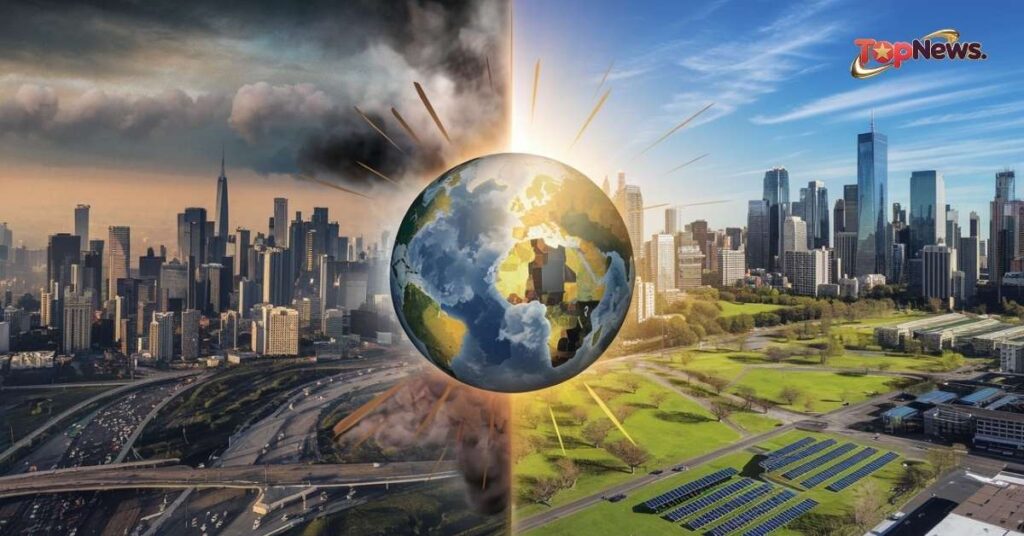
While each city faces its own unique challenges, several common factors contribute to air pollution across the board. Understanding these sources is crucial to developing effective solutions:
- Industrial Activity:
Factories, refineries, and power plants emit a wide range of pollutants, including sulfur dioxide (SO2), nitrogen oxides (NOx), and particulate matter. These pollutants are often concentrated in urban areas with high levels of industrialization. - Vehicle Emissions:
The rise in personal car ownership, along with inefficient public transportation systems, contributes significantly to urban air pollution. Diesel engines are a particular problem, emitting NOx and particulate matter. - Waste Burning and Biomass:
In many developing countries, the burning of agricultural waste, garbage, and biomass is a major contributor to air pollution. This practice releases harmful chemicals like dioxins, which are linked to cancer and other health issues. - Construction and Road Dust:
In rapidly growing cities, construction sites release dust and particulate matter into the atmosphere. Additionally, road dust from vehicles further degrades air quality. - Natural Factors:
Some cities are affected by natural events, such as dust storms, wildfires, and volcanic activity, which add to the pollution burden. Seasonal weather patterns can also trap pollutants, making them more difficult to disperse.
Global and Local Solutions: Combatting Air Pollution
Efforts to address air pollution are diverse and span local, national, and international levels. Each city must adopt policies tailored to its specific challenges, but several general approaches have proven effective worldwide.
Regulatory Measures and International Agreements
- Paris Climate Agreement:
The landmark Paris Agreement, signed by nearly every country in the world, aims to limit global warming to well below 2°C above pre-industrial levels. Reducing air pollution is a key part of this goal. - Emission Regulations:
Governments in developed and developing nations alike are adopting stricter regulations on industrial emissions, vehicle emissions, and waste management. The implementation of the Euro 6 vehicle emission standard in Europe is an example of how policy can reduce harmful pollutants like NOx.
Urban Initiatives: Greening Cities
- Public Transport Investments:
Cities such as Seoul, Paris, and Bogotá have expanded public transportation systems, reducing the reliance on private vehicles. Cleaner, electric buses and trams are also becoming more common in cities like Shenzhen, China, where the entire bus fleet has been electrified. - Electric Vehicles (EVs):
Many cities are offering incentives to encourage the adoption of electric cars. Norway, for example, is a global leader in EV adoption, with more than 50% of new car sales being electric in recent years. - Pedestrian Zones and Bike Lanes:
Cities like Copenhagen and Amsterdam are famous for their extensive bike lanes, which encourage people to choose healthier and less polluting forms of transportation. Many cities are also pedestrianizing key areas to cut down on traffic and improve air quality.
Innovative Technology
- Air Quality Monitoring:
Advances in technology have made it possible for cities to monitor air quality in real-time. New Delhi, for example, has deployed air quality sensors across the city, providing valuable data to help citizens avoid high-pollution areas and make informed decisions. - Carbon Capture:
Innovative solutions like carbon capture technology, which traps carbon dioxide before it can enter the atmosphere, are being tested in countries like Norway and the United States. While still in its infancy, carbon capture has the potential to mitigate the effects of industrial emissions.
Public Awareness and Advocacy
- Citizen Action:
Public engagement is essential to the success of anti-pollution efforts. In South Korea, for example, citizens are actively involved in monitoring air quality and advocating for stricter regulations. Grassroots organizations across the world are raising awareness about the dangers of air pollution and advocating for cleaner air. - Corporate Responsibility:
Private companies also play a role in reducing air pollution. In response to growing public pressure, corporations like Apple and Google have committed to using 100% renewable energy in their operations, which helps reduce industrial emissions.
The Road Ahead: Can Cities Clean Up Their Air?
The battle against air pollution is long and complex, but cities around the world are showing that progress is possible. Some, like Beijing and Mexico City, have already made significant strides in reducing pollution through aggressive government policies and public-private partnerships.
But the road ahead is challenging. Urban populations are expected to rise dramatically in the coming decades, and with this increase comes the potential for greater pollution. Without coordinated global action, the air quality in many cities could worsen.
What can be done?
- More robust international agreements that go beyond the Paris Agreement may be necessary to enforce emissions reductions.
- Stronger local governance that invests in green technology and cleaner infrastructure is critical to solving the problem at the city level.
- Education and public engagement will be key to ensuring that individuals understand their role in improving air quality, from reducing car use to advocating for policy changes.
Conclusion of The Growing Air Pollution Crisis in Major Cities
Air pollution remains one of the greatest environmental challenges of our time, but it is also an issue that can be addressed with strong political will, innovative technology, and community action. Cities across the globe, from Beijing to London, have demonstrated that air quality can improve with the right interventions.
Yet, as urban populations grow and industrial activities increase, the fight for cleaner air is far from over. The question now is whether global leaders, businesses, and citizens can work together to protect our cities and ensure a healthier future for all.
FAQ: The Growing Air Pollution Crisis in Major Cities
What is the growing air pollution crisis?
The growing air pollution crisis refers to the increasing levels of harmful pollutants in the air, particularly in major cities.
This crisis is driven by factors such as industrial emissions, vehicle exhaust, and urban development, leading to severe health and environmental impacts.
What are the main causes of air pollution in major cities?
The primary causes of air pollution in major cities include:
- Exhaust from vehicles and transportation systems
- Emissions from industrial facilities and power plants
- Construction activities and dust
- Residential heating and cooking
- Agricultural practices and waste management
How does air pollution affect human health?
Air pollution has several adverse health effects, including:
- Respiratory issues such as asthma and chronic bronchitis
- Cardiovascular diseases like heart attacks and strokes
- Increased risk of lung cancer
- Negative impacts on cognitive functions and overall well-being
- Exacerbation of pre-existing health conditions
What are the environmental impacts of air pollution?
Environmental impacts of air pollution include:
- Damage to ecosystems and wildlife
- Degradation of air quality, leading to smog and haze
- Acid rain affecting soil and water bodies
- Contribution to climate change and global warming
- Damage to buildings and historical monuments
What steps are being taken to address the air pollution crisis?
Efforts to address the air pollution crisis involve:
- Enforcing stricter emissions standards for vehicles and industries
- Promoting cleaner technologies and renewable energy sources
- Implementing policies to reduce industrial and transportation emissions
- Increasing urban green spaces and improving public transportation
- Raising public awareness and encouraging sustainable practices
How can governments and policymakers contribute to solving the crisis?
Governments and policymakers can contribute by:
- Developing and enforcing regulations to limit emissions
- Investing in sustainable infrastructure and clean energy
- Supporting research and innovation in pollution control technologies
- Implementing and monitoring air quality improvement programs
- Collaborating with international bodies to address transboundary pollution issues
What can individuals do to help reduce air pollution?
Individuals can help by:
- Reducing vehicle use and opting for public transportation, biking, or walking
- Supporting and using energy-efficient appliances and renewable energy
- Minimizing waste and practicing recycling and composting
- Participating in community clean-up efforts and environmental advocacy
- Staying informed about local air quality and taking precautions on high pollution days
How can technology aid in combating air pollution?
Technology assists in combating air pollution through:
- Advanced air quality monitoring systems providing real-time data
- Development of cleaner energy sources and emission reduction technologies
- Implementation of air filtration systems in vehicles and buildings
- Use of data analytics for predicting and managing pollution levels
- Innovations in public transportation and urban planning
Are there any successful examples of cities managing air pollution effectively?
Yes, cities like Stockholm, Tokyo, and Mexico City have made significant progress in managing air pollution.
These successes include improvements in public transportation, stricter emission controls, and investment in green infrastructure, leading to better air quality and health outcomes.
Where can I find more information about air pollution and its impacts?
For more information, refer to:
- National and international environmental agencies, such as the EPA and WHO
- Local environmental organizations and research institutions
- Online air quality monitoring platforms and databases
- Government reports and policy documents on air quality and pollution
Air Pollution Crisis: The Global Battle for Cleaner Air in Major Cities