Former President Donald Trump responded to a second apparent assassination attempt—an incident he blames on divisive political rhetoric—by escalating tensions further.
In July, after a bullet grazed his ear in a shooting that tragically claimed the life of a rally attendee, Trump initially seemed poised for reconciliation. Speaking with The Washington Examiner’s Salena Zito, he expressed a desire to unite the country and the world. However, that sentiment quickly faded, lasting only as long as the early parts of his convention speech.
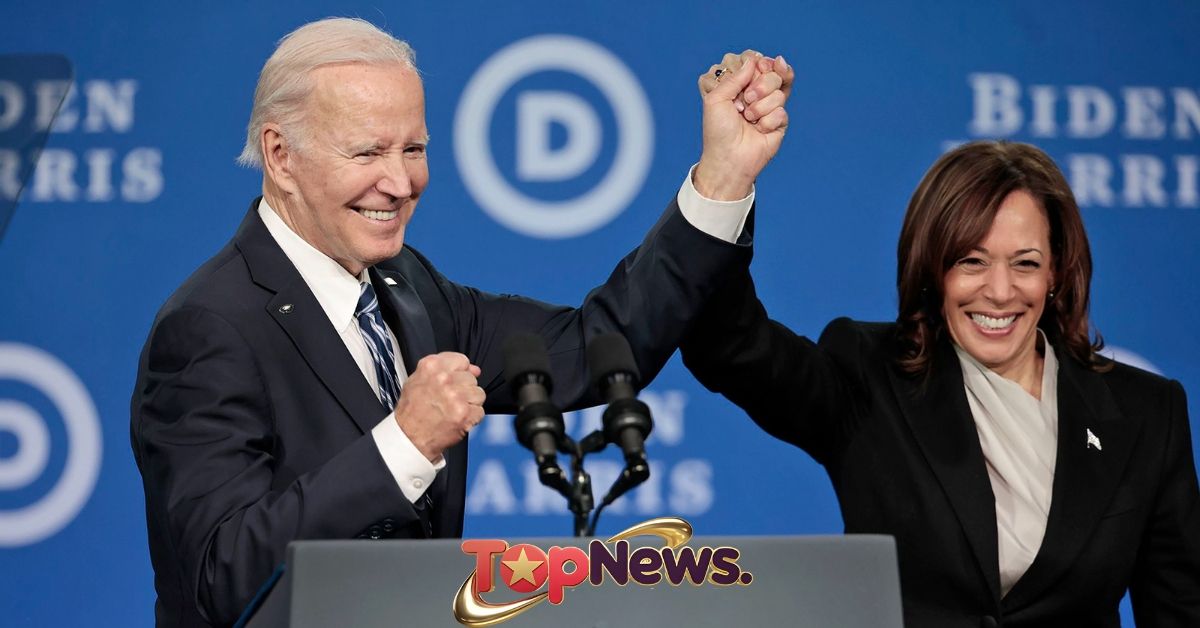
Following a second incident on Sunday, when the Secret Service reportedly stopped a gunman waiting for him at one of his Florida golf courses, Trump reacted differently. He accused President Joe Biden and Vice President Kamala Harris of encouraging political violence by labeling him a threat to democracy.
Speaking to Fox News Digital on Monday without providing evidence, Trump claimed the would-be shooter “believed the rhetoric of Biden and Harris, and acted on it.” He added, “Their rhetoric is causing me to be shot at, while I am the one who will save the country. They are the ones destroying it—both from within and outside.”
Invoking a common totalitarian theme, Trump called it “the enemy from within,” warning that “dangerous fools,” like Sunday’s alleged gunman, are influenced by Democratic leaders. He reiterated his unsubstantiated claim that the White House is orchestrating a campaign to persecute him through the justice system.
Related Topic: Air Pollution in Dhaka City: A Comprehensive Journalistic Exploration
Vance Claims No Assassination Attempts on Harris
Trump’s running mate, Ohio Sen. JD Vance, took a more blunt approach to the issue.
“The big difference between conservatives and liberals is that no one has tried to kill Kamala Harris in the last couple of months, while two people have tried to kill Donald Trump in that same time,” Vance said. “I’d say that’s pretty strong evidence that the left needs to tone down the rhetoric and stop this nonsense.”
Vance, the Republican vice-presidential nominee, recently faced criticism for incitement after spreading unfounded claims that Haitian refugees were eating pet dogs and cats in Springfield, Ohio, which was followed by bomb threats targeting local hospitals and schools.
Democratic Rep. Nikema Williams condemned Vance’s comments about assassination attempts and the divide between liberals and conservatives.
“Why would he say something like that when we’re trying to lower the temperature, change the rhetoric, and promote unity?” the Georgia Democrat asked during a “TN This Morning” appearance with Kasie Hunt. “We can disagree on policies, but no one should be subject to an assassination attempt.”
While Williams made it clear she is no supporter of Trump, she emphasized that no one should face threats to their life. She also noted that since becoming a member of Congress, she has had to arrange personal security measures to protect herself and her family due to similar threats.
Related Topic: Air Pollution in Dhaka: A Crisis Fueled by Industry, Kilns, and Traffic
Fierce Political Fallout After Sunday’s Incident
Republicans Accuse Democrats of Incitement
Claims of incitement and inflammatory rhetoric are often subjective. For example, Republicans were outraged when President Biden described the MAGA movement as akin to “semi-fascism” in August 2022, though this phrase did not become a regular part of his speeches. Similarly, New York Rep. Daniel Goldman, a Democrat, made headlines last year when he said Trump needed to be “eliminated,” a remark that Ohio Sen. JD Vance referenced on Monday. Goldman quickly apologized, calling it a “poor choice of words,” and clarified that he wished no harm to Trump.
While Democrats have occasionally been criticized for over-the-top remarks, Trump has built his political brand on rhetoric that far surpasses anything from his opponents. He regularly refers to Vice President Harris as a “fascist.” For instance, at a Virginia rally on August 26, he said, “We have a fascist person running who’s incompetent,” repeating similar statements at other campaign events in August. He has also referred to the Biden administration as a “Gestapo administration,” invoking the infamous Nazi secret police, and has described his political opponents as “vermin,” a term used by some of history’s worst dictators. Additionally, Trump warned that immigrants were “poisoning the blood” of the U.S.
Trump’s rhetoric escalated when he refused to concede the 2020 election, calling on his supporters to “fight like hell” or risk losing the country. This culminated in the violent January 6 attack on the U.S. Capitol as his supporters sought to prevent the certification of Biden’s victory. Trump has since referred to those arrested for their role in the insurrection as “political prisoners” and has promised to consider pardoning them if he returns to the White House. Even now, Trump warns he will only accept the results of the upcoming election if he believes it to be fair, and he has vowed to prosecute political opponents if he wins.
Michigan Democratic Rep. Debbie Dingell, speaking at a Harris campaign event, criticized Trump’s rhetoric. “He plays to people’s fear and anxiety. He defines us with hate and fear,” she said. Dingell urged for a reduction in political violence, but also warned of Trump’s significant role in stoking it, highlighting that he has not committed to accepting election results.
Social media platforms have also amplified Trump’s inflammatory remarks. After the latest apparent assassination attempt on Trump, Elon Musk, a key supporter and owner of X, posted a now-deleted message questioning why Trump had been targeted twice, while his rivals had not faced similar threats. Musk later claimed it was a joke, though, given the history of political violence in the U.S., the comment was met with concern.
Trump’s rhetoric has made life dangerous for others as well. Dr. Anthony Fauci, the former head of the U.S. infectious disease response, has noted an increase in death threats against him whenever Trump allies, like Rep. Marjorie Taylor Greene, attack him publicly. Media outlets, election workers, and even legal officials involved in Trump’s cases have faced threats as a result of his inflammatory comments.
In Springfield, Ohio, the impact of Trump’s rhetoric has become clear. After Trump spread false claims during a debate, Republican Gov. Mike DeWine deployed state highway patrol officers to monitor local schools facing bomb threats. Additionally, Wittenberg University shifted classes online after threats of bombings and shootings targeted “members of the Haitian community.”
Despite this, Vance denied any connection between Trump or himself and the threats, calling such accusations “disgusting.” He also condemned the idea of assassinating a former president, yet history shows that while Trump may be a victim of the nation’s toxic political environment, he has also played a significant role in creating it.