Lahore, once renowned for its vibrant culture, historical monuments, and lively urban environment, now faces a mounting environmental catastrophe. The city of over 11 million people has become one of the most polluted urban centers globally, as air pollution continues to reach unprecedented levels, posing significant threats to public health, infrastructure, and economic stability.
Over the last decade, Lahore has consistently topped global rankings for poor air quality, driven by a toxic blend of industrial emissions, vehicular exhaust, and seasonal crop burning, contributing to the formation of deadly smog during the winter months.
As pollution levels escalate, so does public anxiety, leading to a growing sense of urgency. The health of residents and the economic future of the city are increasingly imperiled by a government response deemed inadequate by many experts and activists.
Escalating Health Emergency: Impact of Lahore’s Air Pollution Crisis
The air pollution problem in Lahore is not just a matter of inconvenience; it is a full-fledged public health emergency. The air quality index (AQI) has repeatedly crossed 300, entering the “hazardous” range, where exposure to particulate matter (PM2.5) can lead to immediate adverse health effects.
Studies by local universities and health organizations have highlighted the scale of the problem. Lahore’s ambient air contains dangerously high levels of fine particulate matter (PM2.5 and PM10), nitrogen dioxide (NO2), sulfur dioxide (SO2), and carbon monoxide (CO).
PM2.5, in particular, poses significant health risks because these microscopic particles can penetrate deep into the lungs and even enter the bloodstream, leading to a range of cardiovascular and respiratory problems. Children, the elderly, and those with pre-existing conditions are particularly vulnerable.
Related Topic: The Growing Air Pollution Crisis in Major Cities: A Global Struggle for Cleaner Air
Hospitals Overburdened
Hospitals across Lahore have reported a 30-40% spike in respiratory-related cases, particularly during the smog season, which typically lasts from October to February. Medical experts describe an uptick in chronic bronchitis, asthma, lung infections, and even premature deaths linked to prolonged exposure to toxic air. Doctors are also witnessing an alarming rise in strokes and heart attacks, directly connected to the poor air quality.
Dr. Ahmed Raza, a pulmonologist at Mayo Hospital Lahore, explained, “We are treating more and more patients with severe respiratory distress. Those who have never smoked are now suffering from conditions we used to see only in chronic smokers. The smog is slowly suffocating the city.”
Underlying Causes of Lahore’s Air Pollution
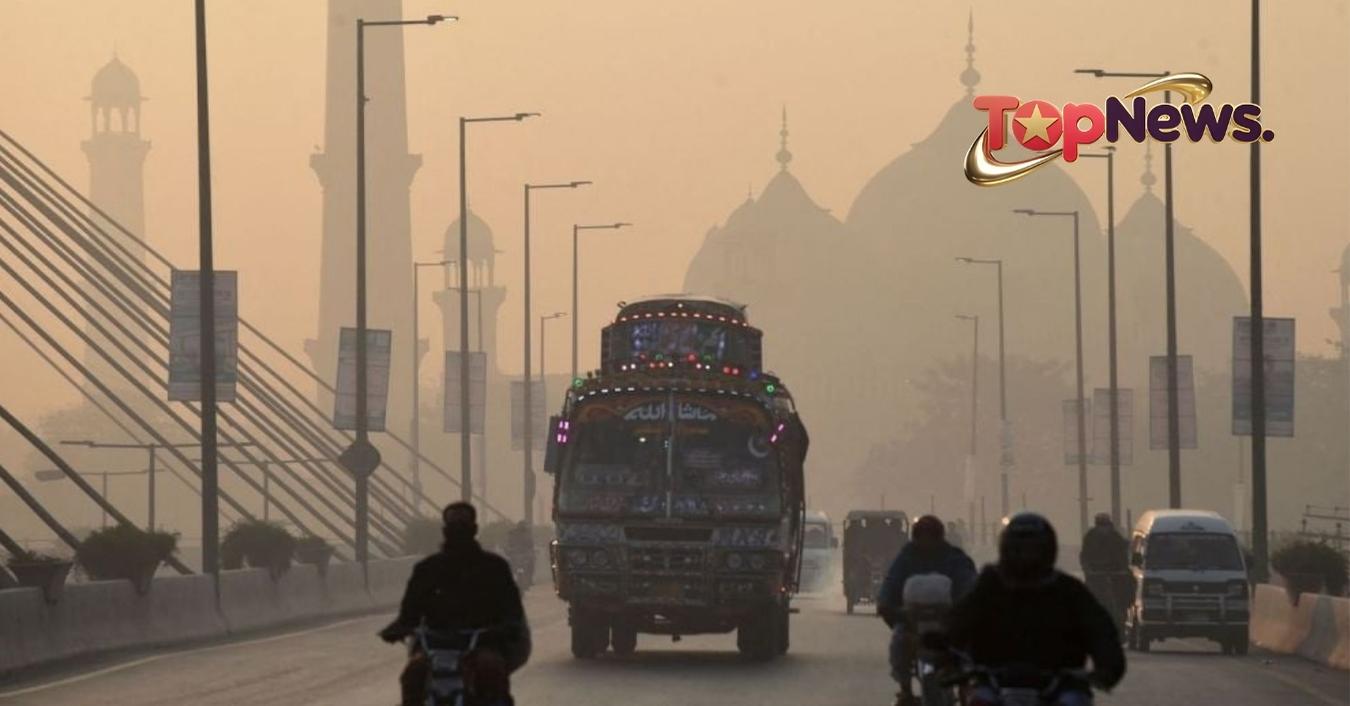
Lahore’s air pollution is a complex, multifaceted problem driven by several key factors:
- Vehicular Emissions: The rapid increase in vehicle ownership in Lahore has significantly contributed to the rise in air pollution. Older vehicles without proper emission control systems release dangerous levels of pollutants. Diesel trucks and buses, often running without regulation, are among the worst offenders. Lahore’s vehicular congestion only worsens the issue, as traffic jams lead to idling cars emitting exhaust for prolonged periods.
- Industrial Pollution: The city is home to numerous industries, including brick kilns, steel mills, and cement factories, many of which operate without modern pollution control technologies. These factories release large amounts of particulate matter and gases into the atmosphere, exacerbating the smog situation. Despite regulations, enforcement is often weak, and many industrialists circumvent emission standards by paying fines or operating in remote areas.
- Crop Burning in Neighboring Regions: During harvest season, farmers in Punjab and surrounding provinces burn crop residues to clear fields for the next planting cycle. This practice contributes significantly to the seasonal smog in Lahore as smoke drifts toward the city, combining with urban pollution sources. While there are laws against this practice, enforcement is sporadic and often met with resistance from the agricultural sector, which lacks access to modern farming alternatives.
- Construction Dust and Deforestation: Rapid urbanization in Lahore has led to a surge in construction activities, contributing to high levels of dust in the air. The ongoing deforestation in and around the city, including the reduction of tree cover in urban parks, has also worsened the problem. Trees, which naturally absorb pollutants, are rapidly disappearing, further reducing the city’s ability to combat air pollution.
Related Topic: Tropical Storm Francine forms in the Gulf, heading toward U.S. landfall as a hurricane
Government Response: Falling Short?
The government has taken some steps to address the pollution crisis, but many view these measures as reactive rather than proactive. The Punjab Environmental Protection Agency (EPA) has been tasked with monitoring air quality and enforcing pollution regulations.
In recent years, the government has temporarily shut down brick kilns and heavy industry during peak smog seasons and imposed traffic restrictions, including odd-even vehicle restrictions.
Initiatives Launched
- Smog Monitoring System: The government has introduced an air quality monitoring network in Lahore, providing real-time data on pollution levels. However, the system is underfunded, with few monitoring stations relative to the city’s size, leading to gaps in coverage.
- Brick Kiln Reforms: Efforts have been made to shift traditional brick kilns to the more environmentally friendly zig-zag technology, which reduces emissions. However, the transition has been slow, and many kiln operators have resisted the changes, citing high costs.
- Vehicle Emission Testing: The government has introduced vehicle emission testing for public transport and private vehicles, but implementation remains inconsistent. Many older vehicles still manage to evade regulations, and corruption at inspection centers is a significant hurdle.
Long-Term Policy Gaps
Environmental activists have criticized the lack of long-term policy planning. Lahore’s pollution problem has been treated as a seasonal issue, with short-term bans and shutdowns offering only temporary relief.
There is also a lack of investment in sustainable urban planning and public transportation infrastructure, both of which are key to reducing vehicular emissions.
Related Topic: Air Pollution Crisis: The Global Battle for Cleaner Air in Major Cities
Civil Society and Citizen Activism
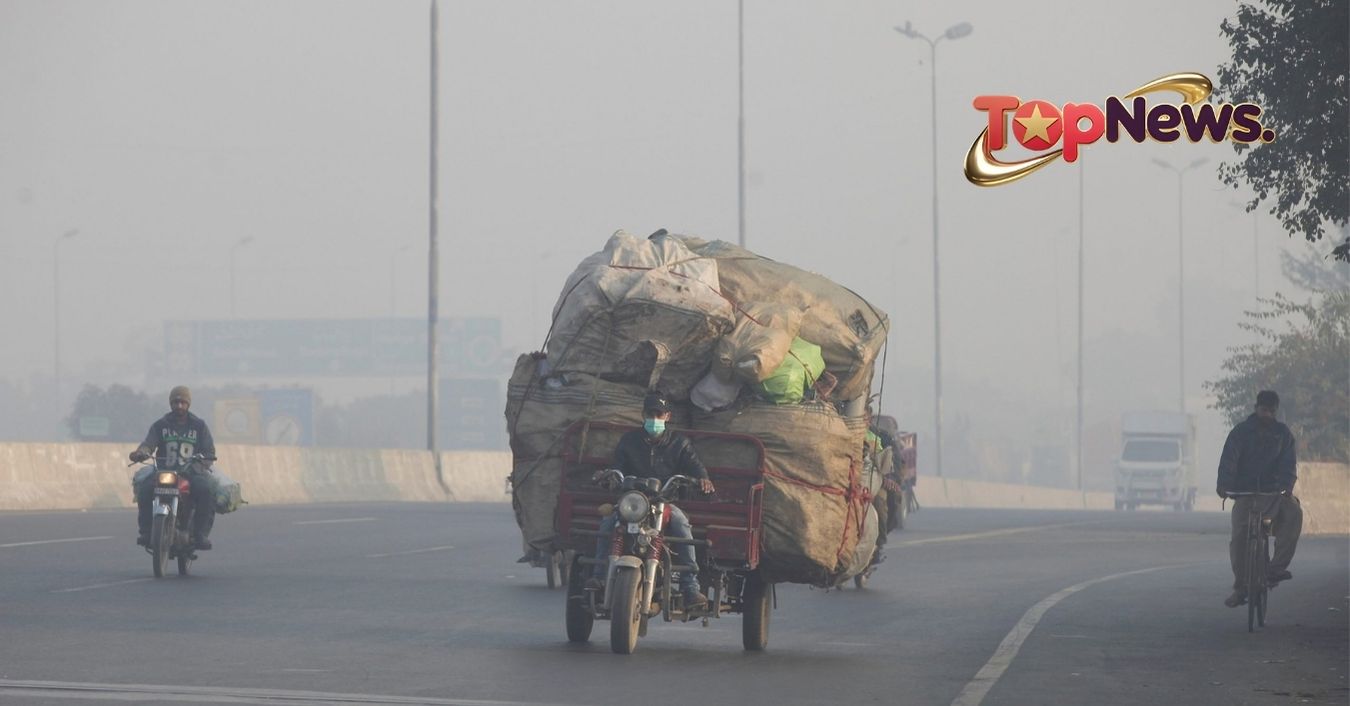
The worsening pollution has spurred a wave of activism among civil society groups, environmental organizations, and concerned citizens. Social media platforms are filled with calls for stricter government action, and protests have been organized to demand cleaner air.
Environmental advocacy groups like the Pakistan Air Quality Initiative (PAQI) have been instrumental in raising awareness about the severity of the crisis and putting pressure on lawmakers to act.
Public Health and Mask Usage
Many residents have resorted to wearing face masks and using air purifiers at home. However, this has largely been limited to the middle and upper classes, leaving millions of vulnerable citizens without adequate protection.
The city’s poor, who are most exposed to the pollution due to their outdoor jobs and lack of access to healthcare, are suffering the brunt of the crisis.
The Economic Toll: Industry vs. Environment
Lahore’s pollution is not just an environmental or health issue; it’s also an economic one. The city’s industries, particularly the manufacturing sector, are a key part of the local economy. However, the pollution they create has led to significant hidden costs.
The productivity of the workforce is being affected by rising health issues, and the healthcare system is strained by the growing number of patients requiring treatment for pollution-related illnesses.
Moreover, the air pollution crisis is impacting Lahore’s tourism industry. The city’s famous landmarks, including the Badshahi Mosque and Lahore Fort, are often shrouded in smog, detracting from their beauty and discouraging international visitors.
A report by the World Bank estimated that Pakistan loses approximately $1 billion annually due to environmental degradation and its impact on public health.
The Road Ahead: Solutions and Global Lessons
Experts argue that Lahore can learn from other cities that have faced similar crises. For example, cities like Beijing and New Delhi have both implemented extensive anti-pollution measures, including transitioning to electric public transport, restricting the use of coal-fired power plants, and promoting renewable energy sources like solar and wind power.
Lahore will need a multi-pronged approach that includes both regulatory enforcement and investment in green technologies.
Public Transport Expansion: Investment in public transportation, such as electric buses, could significantly reduce the number of private vehicles on the road. Additionally, promoting cycling and pedestrian-friendly infrastructure can encourage cleaner modes of transport.
Green Spaces: Expanding urban green spaces and planting trees in and around the city will help mitigate pollution. Urban forests, rooftop gardens, and city parks can absorb pollutants and improve overall air quality.
International Collaboration: Global organizations, including the UN Environment Programme, are being called upon for technical and financial support. Collaborative efforts between Pakistan and countries that have successfully tackled pollution can offer valuable insights and resources for Lahore’s fight for clean air.
As Lahore continues its battle against severe air pollution, the city stands at a crossroads. Immediate and sustained action is required to address the root causes of the crisis, protect public health, and ensure a cleaner, healthier future for all its citizens. The challenge is daunting, but the stakes are too high for inaction.
FAQs: Pakistan A City Battling Severe Air Pollution Crisis
- What are the main causes of air pollution in Pakistan?
- Major causes include industrial emissions, vehicular exhaust, crop burning, construction dust, and deforestation. Seasonal smog during winter worsens the problem, particularly in cities like Lahore.
- Which city in Pakistan has the worst air pollution?
- Lahore consistently ranks among the most polluted cities in the world, with its Air Quality Index (AQI) often reaching hazardous levels, especially in the winter.
- Which is the most polluted city in the world?
- Cities in South Asia, particularly Delhi and Lahore, frequently compete for the title of the most polluted city, with Lahore regularly appearing in the top 10.
- Has Pakistan conducted artificial rain?
- Yes, Pakistan successfully conducted its first artificial rain experiment in 2020 in Karachi to tackle drought and improve water availability.
- What is Lahore’s pollution ranking in the world?
- Lahore is consistently ranked among the top 10 most polluted cities globally, with its AQI often exceeding 300, making it hazardous for public health.
- Why is air pollution severe in South Asia?
- South Asia suffers from industrial growth, high vehicle emissions, crop burning, and poor regulatory enforcement, combined with geography that traps pollutants, making air quality particularly poor.
- Where is the worst air quality in the world today?
- The worst air quality often fluctuates between cities like Delhi, Lahore, and Beijing, with AQI levels regularly exceeding hazardous limits during certain seasons.
- Is water pollution a problem in Lahore?
- Yes, water pollution in Lahore is a serious issue, with industrial waste, untreated sewage, and agricultural runoff contaminating water sources, leading to widespread health problems.
Tropical Storm Francine forms in the Gulf, heading toward U.S. landfall as a hurricane