The day after President Joe Biden withdrew from the presidential race and endorsed Kamala Harris as the Democratic nominee, TN reported that Can Beyoncé had approved the use of her song “Freedom” as Harris’s official campaign anthem.
It was therefore surprising when the Republican nominee’s campaign used the same Can Beyoncé track in a recent social media video featuring former President Donald Trump.
Artists like Celine Dion, Foo Fighters, Bruce Springsteen, and Prince’s estate have long objected to the Trump campaign using their music. However, legal experts note that depending on how and where their music is used, musicians may have grounds to take legal action, rather than simply voicing disapproval.
In Can Beyoncé’s case, the Trump campaign didn’t stop at social media posts. Her music was played at least one rally this summer, despite her support for the Biden-Harris ticket in 2020 and her longstanding affiliation with the Democratic Party.
Related Topic: Shelley Duvall star of The Shining dies at 75
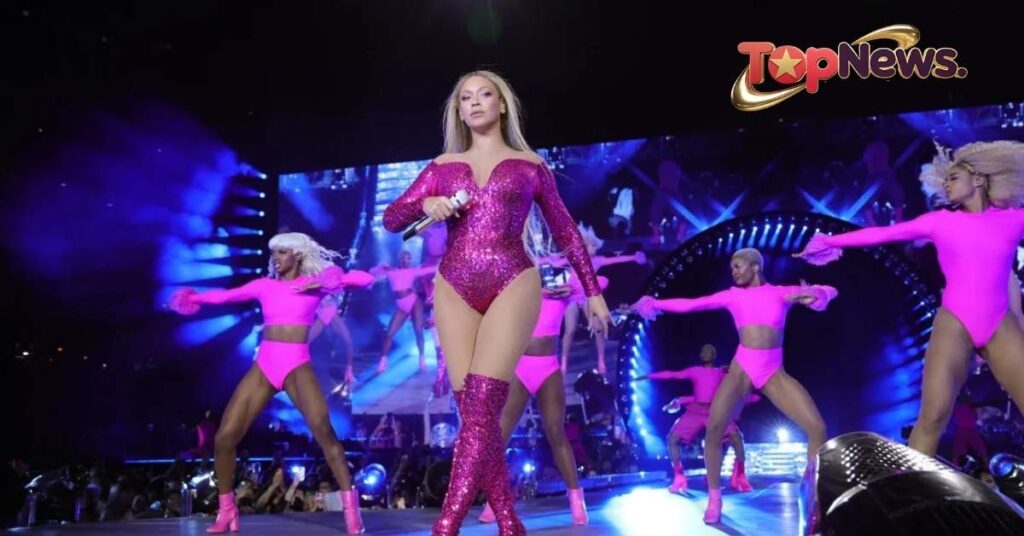
A video viewed by TN shows her song “Texas Hold ‘Em” from the album Cowboy Carter played at a Trump event on July 31 at the New Holland Arena in Harrisburg, Pennsylvania.
Can Beyoncé’s representatives did not respond to TN’s requests for comment. However, Rolling Stone reported last week that her label had threatened to issue a cease-and-desist order to the Trump campaign after they used “Freedom” in a social media video posted by campaign spokesperson Steven Cheung.
Following the reported legal threat from Can Beyoncé’s team, the video was removed.
In a statement to TN, Cheung explained his intent behind using “Freedom,” saying, “The purpose of the post was to highlight that Democrats are all about banning things, including freedom. They fell for it hook, line, and sinker.”
Music Licensing and Approval
Licensing music and securing rights and clearances is a costly, complex, and often litigious process. Movie studios regularly spend hundreds of thousands of dollars to acquire the rights to a single song, while brands may pay millions to use a track repeatedly in commercials to promote a product.
Political campaigns are no different.
“A license is required for any use of music, whether in a venue, convention or online via YouTube or a social media platform,” attorney Heidy Vaquerano, a Los Angeles-based partner at Fox Rothschild specializing in music, told TN.
Even with a license, artists can still object to political campaigns using their music.
Foo Fighters’ Objection to Trump Campaign Using “My Hero”
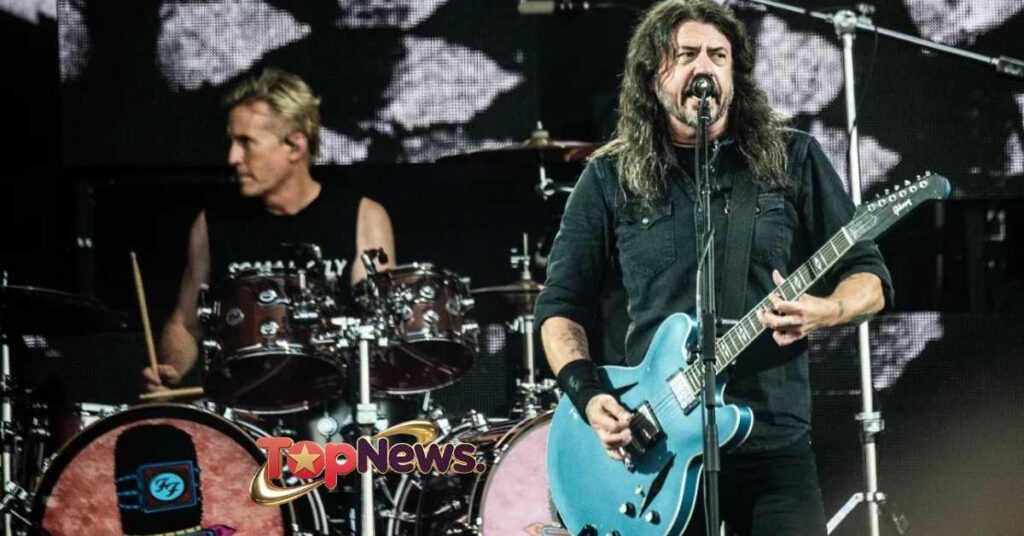
Just days ago, the Foo Fighters stated that they did not authorize the Trump campaign to use their song “My Hero,” which was played at a rally in Arizona. This event featured Robert Kennedy Jr. after he endorsed the former president.
A representative for the Foo Fighters told TN the band had not been asked for permission and announced that any royalties earned from the use of the song would be donated to the Harris/Walz campaign.
Trump Campaign’s Response
Trump’s spokesperson, Steven Cheung, responded to TN by saying, “We have a license to play the song.”
Despite this, the band’s representative reaffirmed that the Foo Fighters were not asked for permission and would not have granted it if they had been.
Legal Protections for Artists
There are certain legal protections for artists regarding the use of their name, image, or likeness.
Even if the Trump campaign has a public performance license to play a song at a rally, they could still violate an artist’s publicity rights or engage in “false endorsement,” where using an artist’s work implies that the artist supports the candidate, explained attorney Heidy Vaquerano.
Approval for Use on Social Media
Vaquerano added that for a political campaign to use an artist’s song on social media, they would need to seek approval from the songwriters, publisher, and the artist’s label.
Pattern of Artist Objections
When Trump ran in 2016 and 2020, several artists, including Rihanna, Phil Collins, Neil Young, Pharrell, the Rolling Stones, Adele, Guns N’ Roses, and the estate of The Beatles, spoke out about his use of their music. This pattern has continued into the current election cycle.
Celine Dion’s “My Heart Will Go On” Played at a Trump Rally
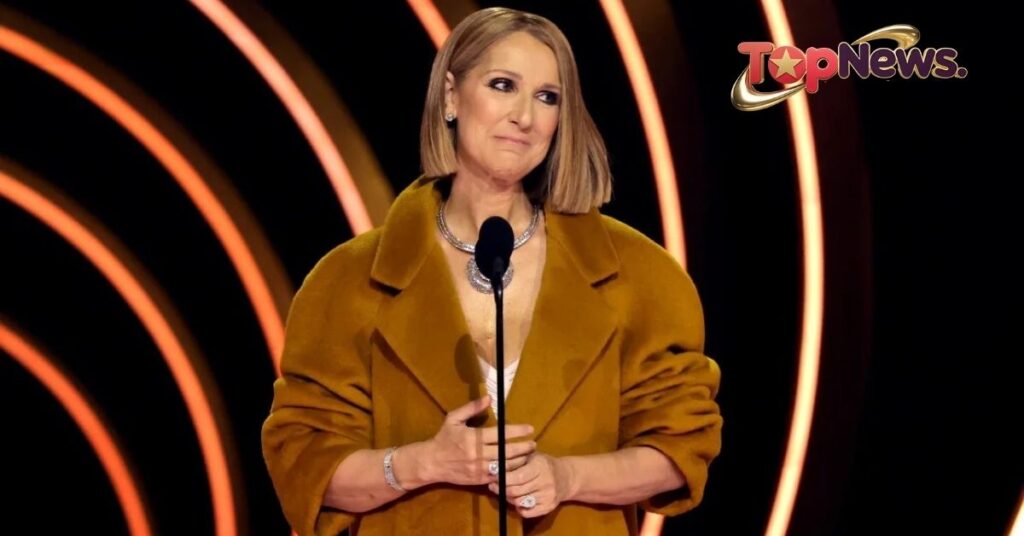
Earlier this month, Celine Dion’s song “My Heart Will Go On” was played at a Trump rally in Bozeman, Montana, along with a video of her singing on the big screen.
After videos surfaced on social media, Dion’s team responded on X, stating that the use of the song was not authorized and expressing disapproval.
Isaac Hayes’ Estate Sues Trump Campaign
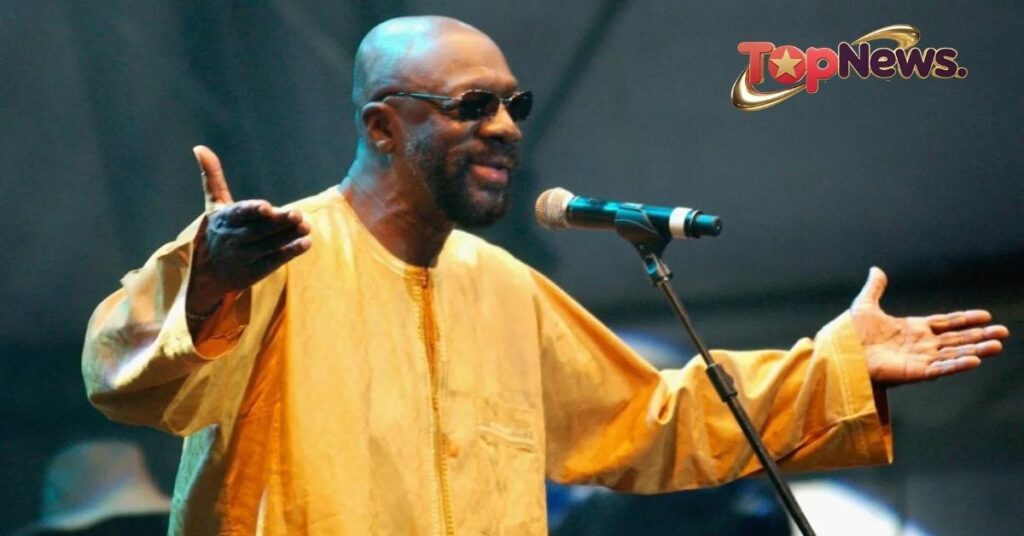
The estate of Isaac Hayes escalated the issue by filing a copyright infringement lawsuit against Trump for using the soul artist’s songs at rallies.
The lawsuit names Trump, his campaign, the Republican National Committee, and the National Rifle Association as defendants.
Unauthorized Use of Hayes’ Music
According to court documents obtained by TN, the attorneys for Hayes’ estate allege that the Trump campaign began using Hayes’ music as “outro” music at campaign events in 2020 and have continued to do so in 2024.
The estate is asking for compensatory damages, stating that the campaign did not obtain a valid public performance license. An emergency hearing was scheduled for September 3.
Potential Legal Consequences
Attorney Heidy Vaquerano believes that the Hayes estate has a strong case. “If the campaign did not obtain the necessary licenses,” she explained, “then each use of the music constitutes a new infringing use.”
The copyright owners may be entitled to statutory and actual damages for loss of sales, licensing revenue, or other financial losses caused by the unauthorized use of their music.
Trump’s Music Preferences
Trump is known to be selective about the music played at his rallies. Sources with firsthand knowledge told TN that Trump personally selects some of the songs for his events.
At Mar-a-Lago, he even chooses the patio playlist for guests at his dinners using an iPad.
Alternative Music Choices
Given the ongoing objections from artists, Trump might be better served by sticking to music from artists who have endorsed him, such as Kid Rock.
FAQ: Can Beyoncé, Celine Dion, and Foo Fighters Stop Trump From Using Their Music?
Q: Can artists legally prevent political campaigns from using their music?
A: It depends. Artists can object to the use of their music by political campaigns, but stopping them entirely can be complicated. Public performance licenses, often obtained through venues or music rights organizations, allow campaigns to play songs at events without direct artist approval. However, artists may have legal grounds if the use of their music implies endorsement or violates other rights.
Q: What is a public performance license?
A: A public performance license allows the use of music in public settings, like rallies or events. Political campaigns often obtain these licenses through organizations like ASCAP or BMI, which manage the rights to many songs. However, a public performance license doesn’t always cover all uses, especially for digital platforms or endorsements.
Q: Can an artist’s objection prevent their music from being used in a campaign?
A: Not necessarily. Even if artists object publicly or file cease-and-desist letters, if a campaign has a public performance license, they can still play the song at rallies. However, artists may take legal action, especially if their song is used in a way that suggests endorsement or misrepresents their political stance.
Q: How can artists take legal action against unauthorized music use?
A: Artists can pursue legal action through claims of copyright infringement, violation of publicity rights, or “false endorsement” if the music’s use implies support for a candidate. Cease-and-desist letters are often a first step, but lawsuits, like the one filed by Isaac Hayes’ estate, can escalate matters.
Q: What happened when Beyoncé’s music was used by the Trump campaign?
A: Beyoncé’s team reportedly threatened to send a cease-and-desist letter after her song “Freedom” was used in a Trump campaign video. Shortly after the legal threat, the video was taken down, but her music was also played at at least one Trump rally during the summer.
Q: Have other artists faced similar issues with the Trump campaign?
A: Yes, several artists, including Celine Dion, the Foo Fighters, Rihanna, Neil Young, and the Rolling Stones, have objected to Trump using their music at rallies and events. Many have publicly denounced the use, while others, like the estate of Isaac Hayes, have taken legal action.
Q: What legal protections do artists have beyond licensing?
A: Artists have rights to their name, image, and likeness, which can help them challenge the use of their music if it falsely implies they endorse a political candidate. In some cases, campaigns can face legal repercussions if the use of a song suggests that the artist supports their platform.
Q: Can campaigns use music on social media without permission?
A: No, using music on social media requires more permissions than a standard public performance license. Campaigns need approval from the songwriter, publisher, and the artist’s label to use music in digital content or advertisements. Without these permissions, the campaign could face legal challenges.
Q: What happens if a campaign continues using an artist’s music without permission?
A: If a campaign repeatedly uses an artist’s music without proper licensing or permissions, the artist may pursue legal action, seeking damages for copyright infringement. This can result in compensatory damages for unauthorized use, as seen in Isaac Hayes’ estate’s ongoing lawsuit against the Trump campaign.