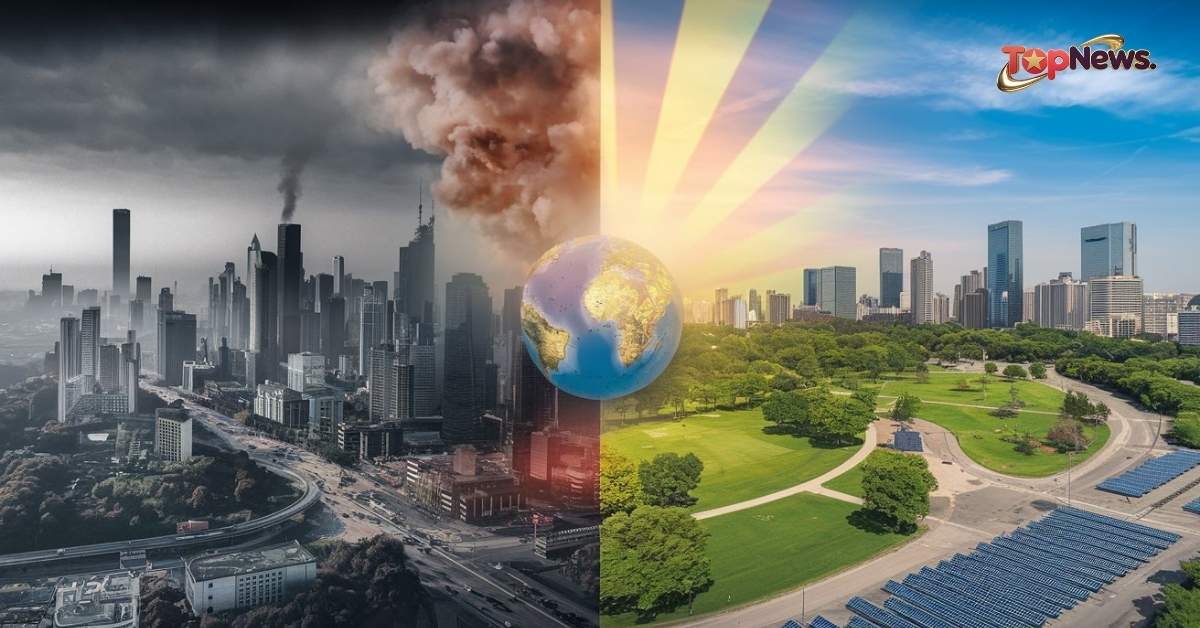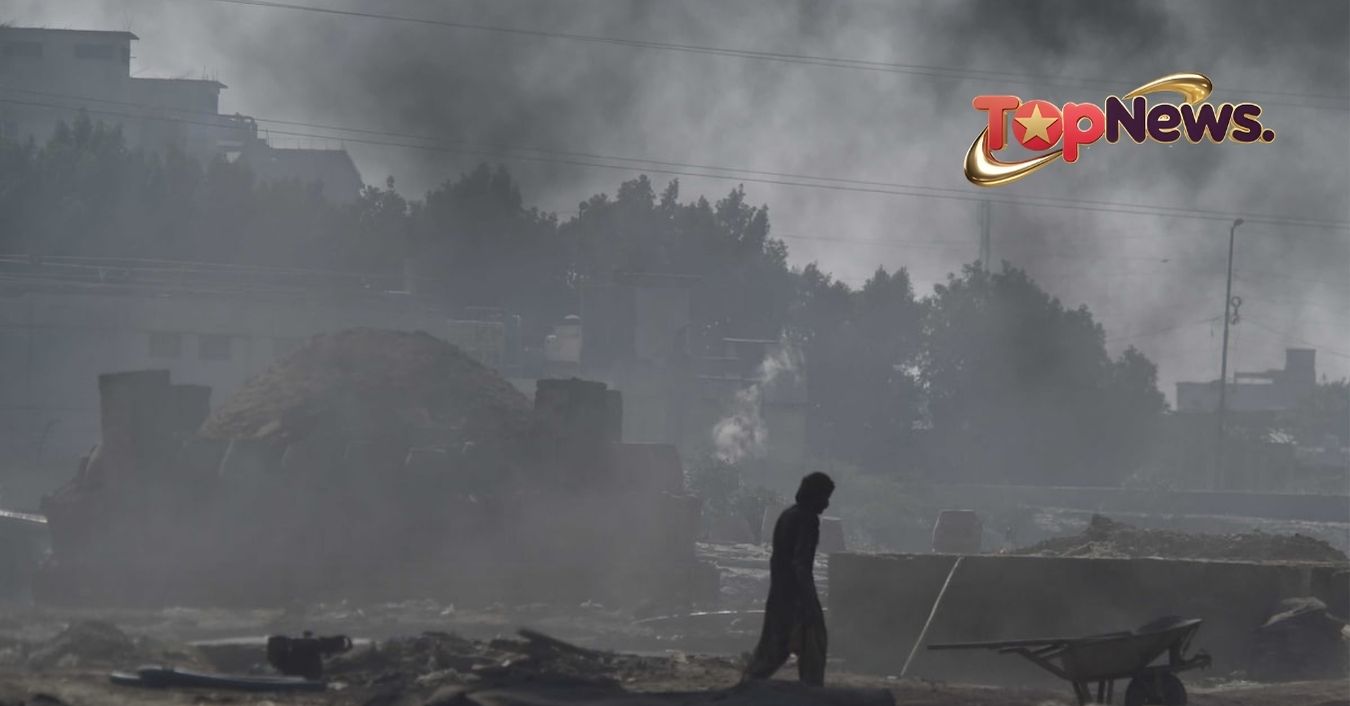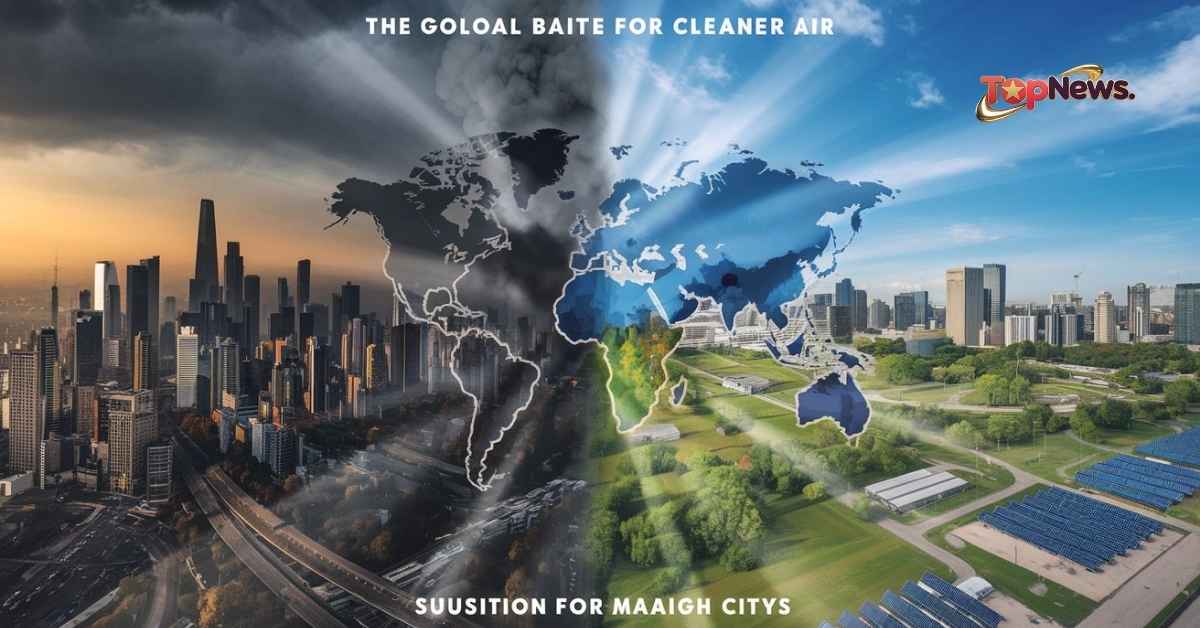
“Air pollution is now a global health crisis, with over 90% of the world’s population breathing polluted air every day. From the smog-laden streets of New Delhi to the fog-choked skylines of Los Angeles, cities around the world are grappling with the environmental and health impacts of increasing air pollution.”
The introduction should touch on why this is an urgent problem globally, setting the tone for the rest of the article.
The Global Impact of Air Pollution:
Discuss the broader implications, emphasizing the universal nature of the issue. Key points include:
- Health impacts:
According to the WHO, air pollution contributes to around 7 million premature deaths globally each year, causing respiratory and cardiovascular diseases. - Environmental damage:
Air pollution doesn’t just affect human health—it’s also linked to climate change, acid rain, and ecosystem degradation. - Economic costs:
Highlight how economies are affected by healthcare costs, loss of productivity, and the burden on infrastructure.
Provide global statistics and context to show the magnitude of the problem. Mention specific pollutants like PM2.5, NO2, and CO2.
Case Study: Air Quality in Major Cities
Here, dive deeper into the most polluted cities and their struggles:
- New Delhi, India
India’s capital often tops the charts as one of the most polluted cities. Discuss the heavy reliance on coal, diesel, and crop burning as sources of particulate matter. Mention the health crises, like the rise in asthma and lung disease. - Beijing, China
Once infamous for its smog, Beijing has implemented strict air quality control measures. Highlight the balance between economic growth and environmental protection, as well as the progress made through policies like limiting car usage and industrial emissions. - Los Angeles, USA
Despite being in a developed nation, LA struggles with high levels of ozone pollution due to vehicle emissions. Contrast this with its attempts to improve air quality through electric vehicles and clean energy initiatives. - London, UK
The capital of the UK faces air quality issues from diesel vehicles, particularly concerning nitrogen dioxide levels. Discuss the introduction of Ultra-Low Emission Zones (ULEZ) and their effectiveness. - Mexico City, Mexico
Due to its high altitude and urban density, Mexico City has suffered from severe pollution in the past. Mention efforts to mitigate pollution, such as the expansion of public transport and cleaner fuels.
Causes of Air Pollution in Urban Areas
Explore the main contributors to urban air pollution. Examples include:
- Industrial emissions
- Vehicular emissions
- Construction activities
- Waste burning
- Natural causes like dust storms or wildfires
Explain how rapid urbanization in developing nations has exacerbated pollution issues, and the challenges of implementing regulations.
Efforts to Combat Air Pollution
Focus on global and local efforts to mitigate pollution:
- International Agreements
Discuss the Paris Climate Accord, where nations pledged to cut emissions and adopt cleaner energy sources. - Urban Initiatives
Highlight how cities are adopting green spaces, electric public transportation, and bike-sharing programs. - Technology & Innovation
Mention developments in air quality monitoring, cleaner fuels, and innovations like air purifiers and carbon capture.
The Future of Urban Air Quality
End on a forward-looking note, discussing potential solutions. What are governments, businesses, and citizens doing to make a difference?
- Renewable Energy
Transitioning to wind, solar, and hydro energy could drastically reduce fossil fuel emissions. - Legislative Actions
Stricter policies on emission limits, incentives for green technology, and fines for polluters are critical. - Public Awareness
Citizen action, from carpooling to tree planting, plays an essential role in making cities cleaner.
Conclusion of The Global Battle for Cleaner Air in Major Cities
Conclude with a call to action:
“The battle against air pollution is far from over, but the progress made in cities like Beijing and London proves that change is possible. As our world urbanizes further, it is imperative that governments, businesses, and individuals come together to ensure that our cities are not just thriving economic hubs, but also safe, healthy places to live.”
Optional Sections:
- Interviews or Expert Opinions
Reach out to environmental experts, city planners, or health professionals to provide deeper insights and quotes. - Graphs & Data
Include visual aids such as air quality index charts, before-and-after images, or emissions data to make the article more compelling.
FAQ: The Global Battle for Cleaner Air in Major Cities
What is the global battle for cleaner air?
The global battle for cleaner air involves efforts from governments, organizations, and individuals worldwide to reduce air pollution and improve air quality.
This includes implementing policies, adopting new technologies, and promoting environmental awareness to address the sources of pollution and their impacts.
Why is air quality a significant issue in major cities?
Major cities often face severe air quality issues due to high population density, industrial activities, vehicular emissions, and other pollutants.
Poor air quality can lead to health problems such as respiratory and cardiovascular diseases, as well as environmental impacts like smog and acid rain.
What are some common sources of air pollution in cities?
Common sources of urban air pollution include:
- Vehicle emissions
- Industrial activities
- Power plants
- Construction sites
- Agricultural practices
- Residential heating and cooking
What strategies are cities using to combat air pollution?
- Cities are employing a variety of strategies to tackle air pollution, such as:
- Implementing stricter emission standards for vehicles and industries
- Promoting public transportation and alternative energy sources
- Increasing green spaces and urban forests
- Encouraging energy efficiency and sustainable practices
- Monitoring air quality and enforcing regulations
How do policies and regulations impact air quality?
Policies and regulations play a crucial role in improving air quality by setting limits on emissions, incentivizing clean technologies, and creating frameworks for monitoring and enforcement.
Effective policies can drive significant reductions in pollution levels and protect public health.
What role can individuals play in improving air quality?
Individuals can contribute to cleaner air by:
- Reducing personal vehicle use and opting for public transportation, biking, or walking
- Supporting and using renewable energy sources
- Reducing energy consumption and practicing sustainable habits
- Participating in local environmental initiatives and advocating for better air quality policies
How is technology being used to fight air pollution?
Technology aids in the battle against air pollution through innovations such as:
- Air quality monitoring systems that provide real-time data
- Cleaner technologies for transportation and industry
- Advanced filtration systems for buildings and vehicles
- Data analytics and modeling to predict pollution trends and impacts
What are some successful examples of cities improving air quality?
Cities like Copenhagen, Beijing, and Los Angeles have implemented successful strategies to improve air quality.
These include investments in public transportation, emission reduction initiatives, and large-scale urban green projects, leading to noticeable improvements in air quality and public health.
How can international cooperation help address air pollution?
International cooperation is vital for addressing air pollution as it allows countries to share knowledge, technologies, and best practices.
Global agreements and collaborations, such as the Paris Agreement, help set collective goals and drive coordinated efforts to tackle air pollution and its transboundary effects.
Where can I find more information on air quality and pollution in major cities?
For more information, check out resources from:
- Environmental Protection Agencies or equivalent national bodies
- International organizations like the World Health Organization (WHO) and the United Nations Environment Programme (UNEP)
- Local environmental advocacy groups and research institutions
- Online air quality monitoring platforms and databases